

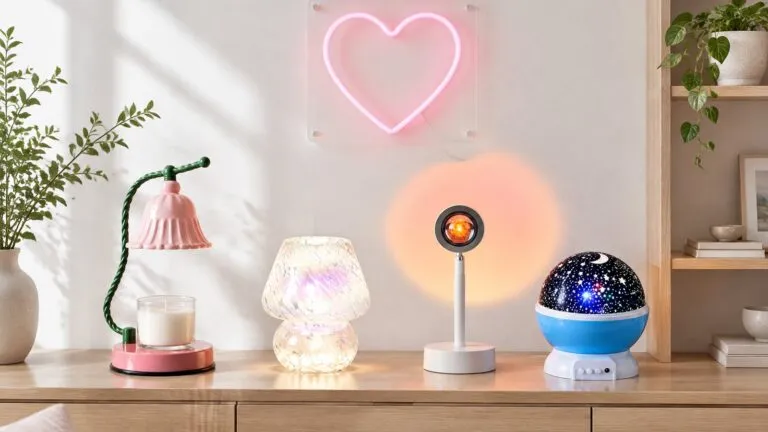



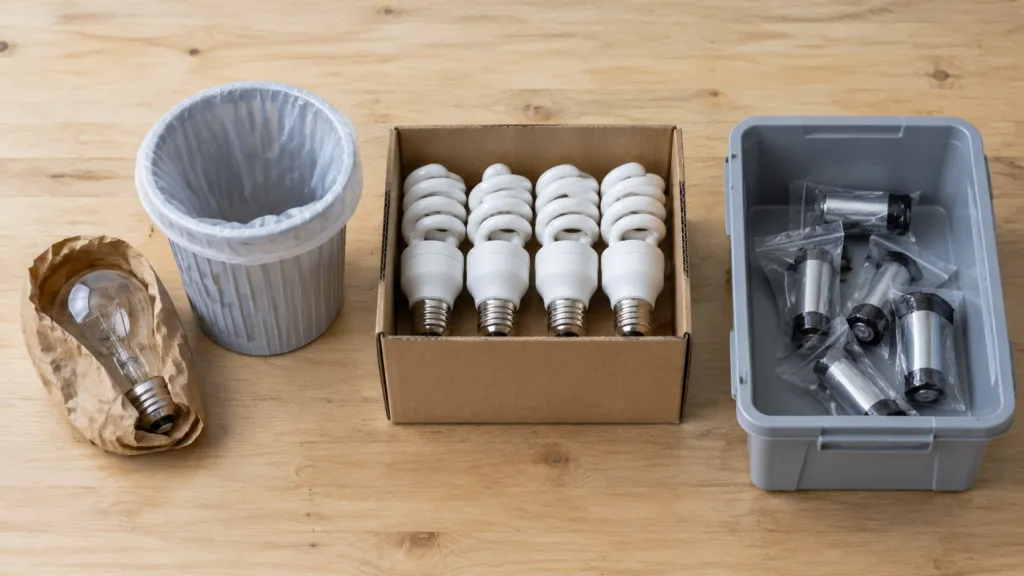
How to dispose of light bulbs depends on what is inside each one: mercury, a battery, a circuit board, or only glass and a filament. Incandescent and halogen bulbs go in the household trash, wrapped; CFLs and other fluorescent lamps go to a mercury lamp recycler; LED bulbs, LED strips, neon signs and solar lights belong with electronics or battery recycling, with any battery taken out first.
Each verdict below names the agency behind it, because the rules change at state lines. Household bulbs come first; then the three lines we build for retailers (candle warmer GU10 spares, LED strip and neon, solar flood lights) and what a store should tell its customers.
Key takeaways
Sort a dead bulb by what is in it. Glass and a filament go in the trash, mercury goes to a lamp recycler, and LEDs, circuits and batteries go to electronics or battery recycling. A stricter local rule always wins.
- Incandescent and halogen bulbs contain no hazardous materials (Missouri DNR): wrap them and use the household trash.
- A CFL holds about 4 mg of mercury on average (EPA), and EPA lists six states that bar mercury lamps from landfills.
- New York City takes LED bulbs with the trash; California’s CalRecycle says never put LED lights in the trash.
- Batteries come out of solar lights first: EPA counted 245 waste-facility fires caused or likely caused by lithium batteries.
- The Home Depot’s own guide names intact, undamaged CFLs for in-store recycling; for any other bulb, ask the store.
How to Dispose of Light Bulbs: The Short Answer by Type
Sort by contents and every bulb lands in one of three routes: the household trash for glass-and-filament bulbs, a lamp recycler for anything holding mercury, and an electronics or battery drop-off for LEDs, circuits and cells. Shape misleads, because a halogen GU10 and an LED GU10 share a base but not a route.
No national rule covers it all. EPA recommends recycling mercury bulbs and names six states that ban them from landfills, while New York City, at the other end, lets residents trash CFLs double-bagged (NYC Department of Sanitation). Five checks sort any bulb, in this order.
Look for “Hg” or “Contains mercury”
Most mercury lamps carry one of these marks, and every fluorescent lamp contains mercury, labeled or not (MPCA). Either sign means a lamp recycler.
Look for a battery or a battery box
Solar lights, battery-run signs and remotes: the cells come out and go to battery recycling.
Look for LEDs, a driver or a controller
LED bulbs, strips and neon signs are electronics, so the default is an electronics drop-off.
Only glass and a filament left?
Incandescent and halogen bulbs: wrap them and use the household trash.
Check the local rule last
A stricter state or city rule, such as California’s on LED lights, wins.
How to Dispose of Incandescent Bulbs
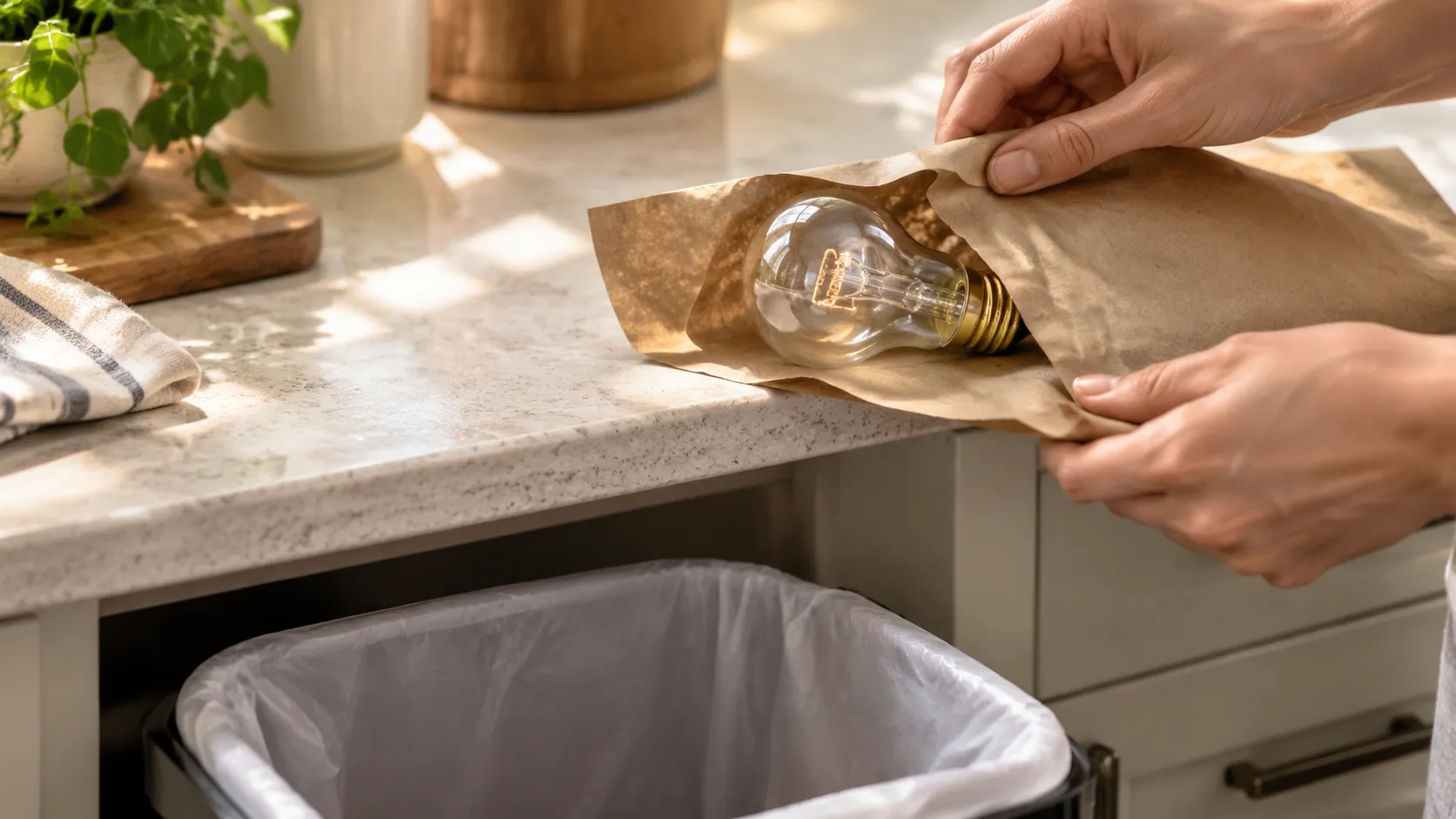
Incandescent bulbs can go in the household trash: Missouri’s Department of Natural Resources says standard incandescent bulbs do not contain hazardous materials and tells households to put them in the trash, and New York City’s sanitation department says the same.
Wrap them first. Missouri asks for paper, plastic or a used cereal box, because the glass breaks easily and can cut you or the sanitation worker. A broken bulb gets the same wrap and nothing more, since there is no mercury to clean up.
How to Dispose of Halogen Bulbs
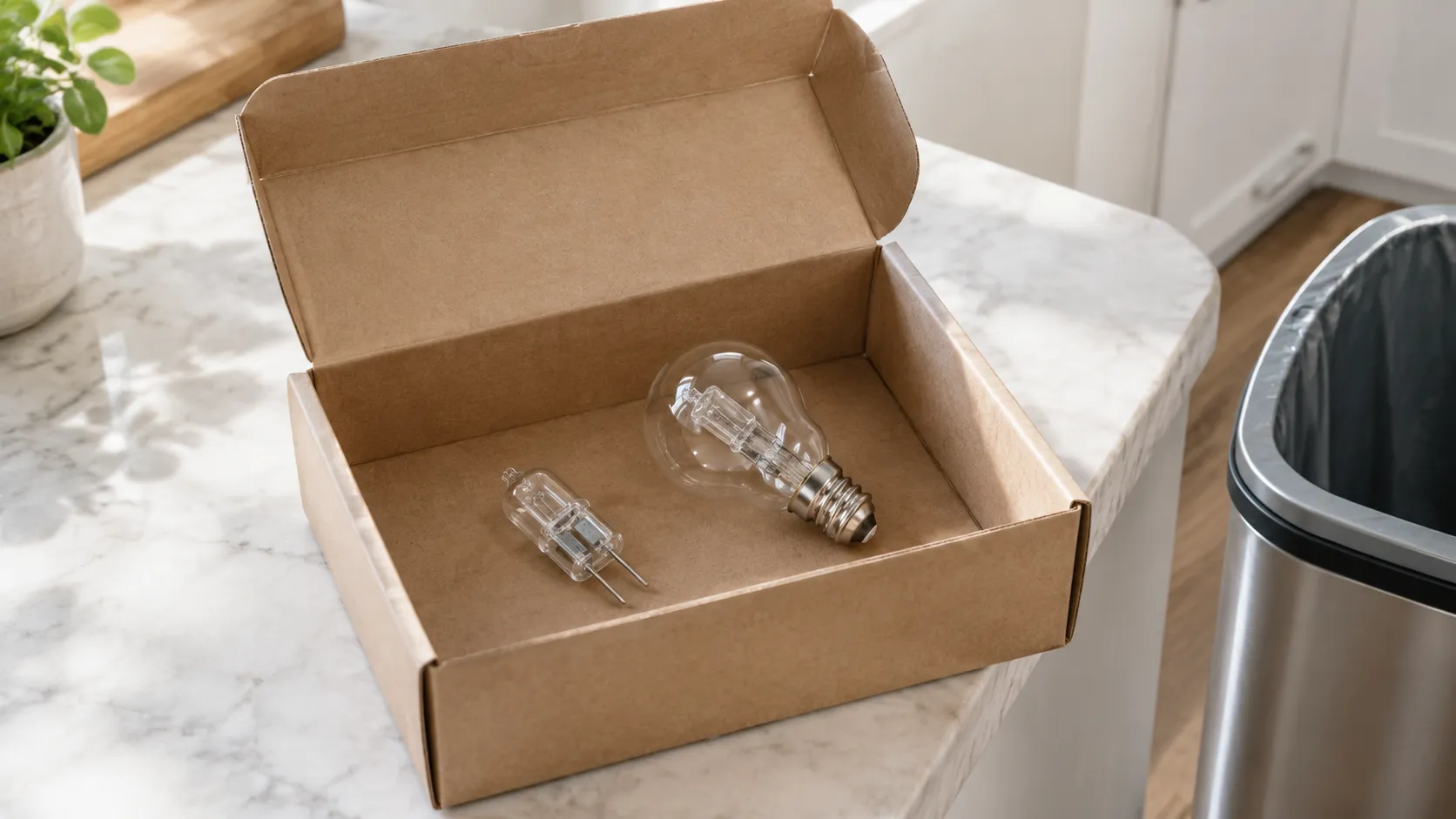
Halogen bulbs also go in the household trash, wrapped: Missouri DNR groups them with standard incandescent bulbs as containing no hazardous materials.
Two cautions. Let a halogen capsule cool before removing it. And do not confuse halogen with metal halide: CalRecycle bans metal halide lamps from California’s trash, and Minnesota requires mercury-containing ones to be recycled (MPCA), so metal halide follows the CFL route.
How to Dispose of CFLs and Other Mercury Bulbs
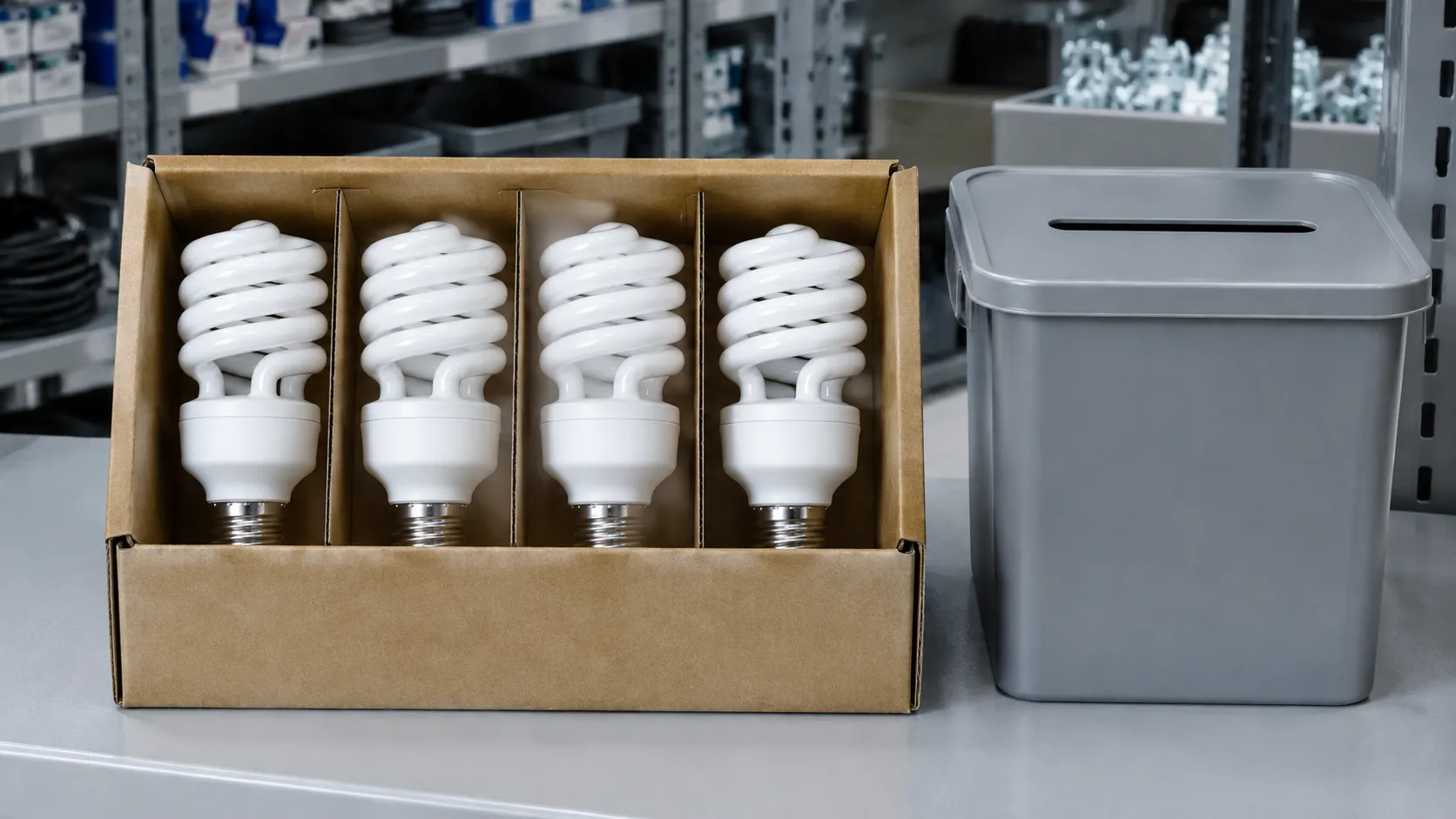
CFLs should be recycled, not trashed: each one holds about 4 mg of mercury on average, sealed in the glass tubing, according to EPA, which recommends local recycling options, retailer take-back or a mail-back service for every mercury bulb.
In some states that is the law. EPA lists California, Maine, Massachusetts, New Hampshire, Vermont and Washington as banning mercury lamps from landfills, and Minnesota requires every mercury lamp to be recycled (MPCA). Where trash is permitted, as in New York City, EPA says to seal the bulb in a plastic bag for the outside trash. Small amounts add up: an older thermometer held about 500 mg, the mercury in more than 100 CFLs (EPA).
- Clear people and pets out, open a window or door for 5 to 10 minutes, and switch off central heating or air conditioning.
- Scoop up glass and powder with stiff paper, lift fragments with sticky tape, and wipe with damp paper towels. Do not vacuum unless glass remains.
- Seal it all in a glass jar with a metal lid or a sealable plastic bag.
- Put the debris in an outdoor trash container at once, and check whether your locality requires broken fluorescent bulbs to be recycled.
- Keep airing the room, with heating or cooling off, for several hours.
How to Dispose of LED Light Bulbs
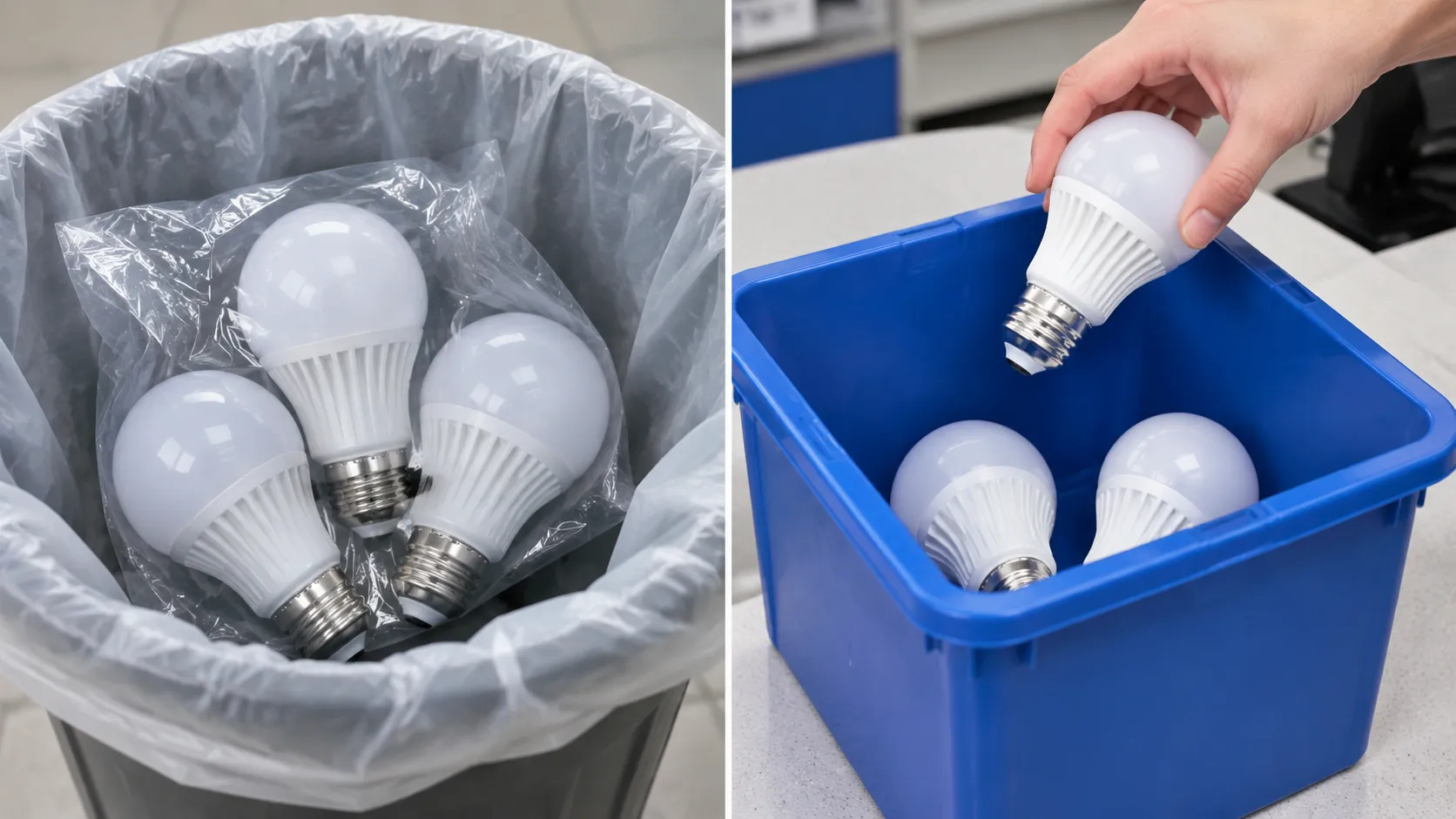
LED light bulbs are allowed in the household trash in some places, but they are electronics and recycling is the better route; in California, the trash is not an option.
The legal floor depends on the address. New York City’s sanitation department tells residents to put LED bulbs out with the trash, double-bagged. California’s CalRecycle says never put LED lights in the trash, because they often have toxic metals, and Missouri’s DNR lists LED bulbs beside CFLs as bulbs that contain toxic metals.
The better route is a bulb or electronics take-back, since it holds a driver board, as our guide to what is inside an LED bulb shows. Call first: store programs built around CFLs do not always take LEDs.
Do Home Improvement Stores Take Old Light Bulbs?
The Home Depot does for intact CFLs: its own disposal guide, dated August 11, 2025 and retrieved October 21, 2026, names The Home Depot among retailers that accept intact and undamaged CFL bulbs for recycling, and sends shoppers to their local store for current in-store options.
Read that literally: the bulb it names is the CFL, and only an intact one, so a broken CFL follows EPA’s cleanup steps and any other bulb type is a question for the store. Other chains set and change their own terms, so how to recycle light bulbs often starts with one call to the store or the county household hazardous waste program. A retailer weighing a take-back bin of its own can note Minnesota’s rule: sellers need not accept used lamps, but must manage any they do accept properly (MPCA).
BeginLighting is a manufacturer and runs no bulb collection; this section reports the store’s own published terms.
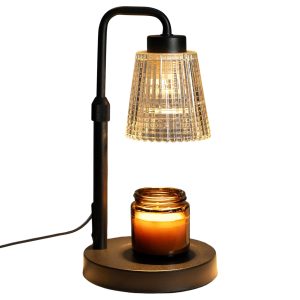
How to Dispose of a Candle Warmer’s GU10 Halogen Bulb
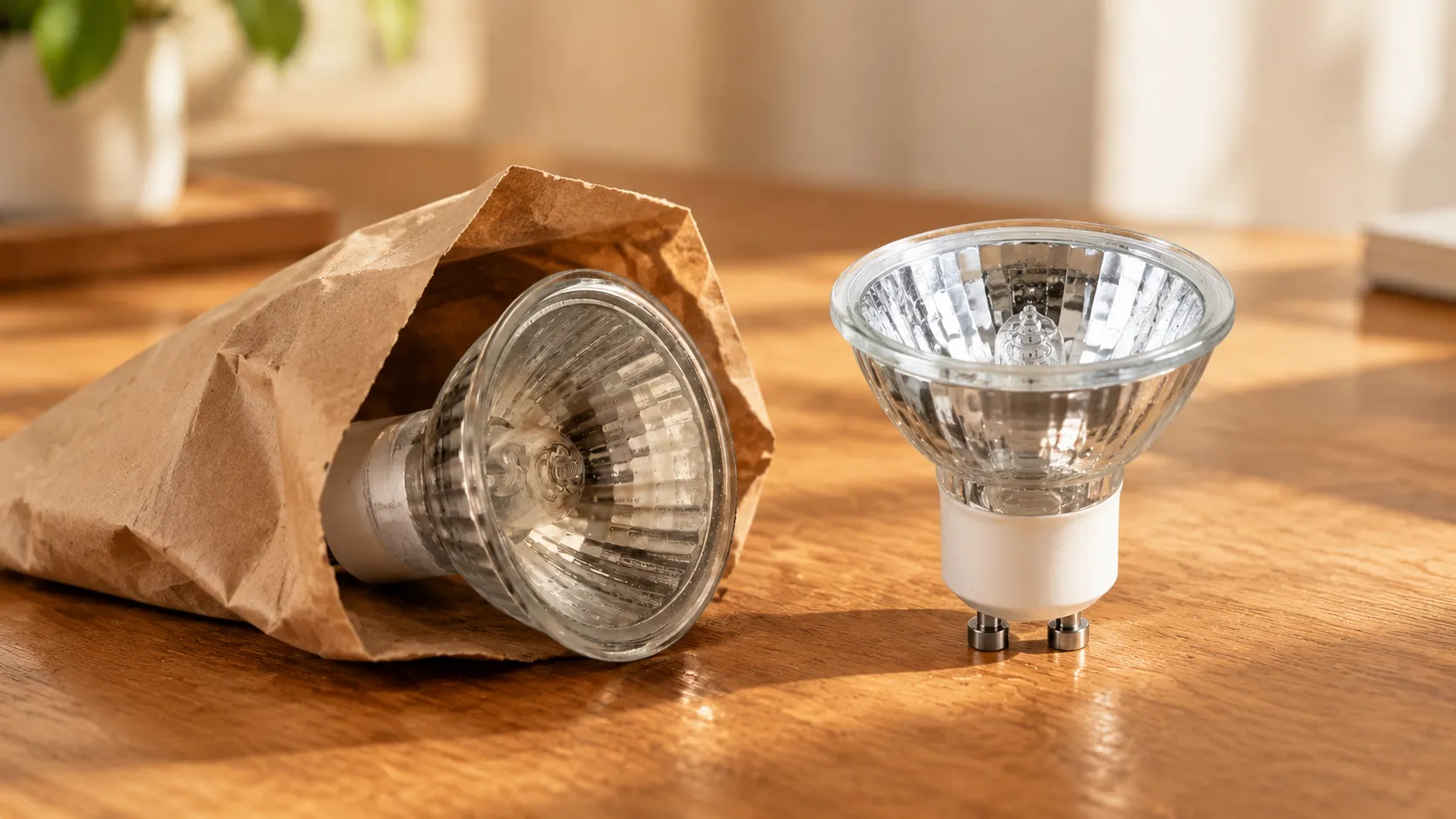
A spent GU10 halogen bulb from a candle warmer lamp goes in the household trash, wrapped, once it has cooled: it is a halogen bulb, and Missouri DNR lists halogen bulbs among those with no hazardous materials.
In a candle warmer the bulb is the heat source that melts the wax from above, which is why it runs hot and is the one part that wears out. Our GU10 candle warmer bulbs are a glass envelope and tungsten filament on a twist-and-lock base, swapped by hand without tools, packed in 2, 4, 6 and 10-bulb retail packs, and supplied as heat-source spares for candle warmer lamps, not as general lighting.
Disposal and replacement happen in the same minute, so print both on the pack insert: switch off, let it cool, twist out, wrap and bin, twist in the new bulb.
How to Dispose of LED Strip Lights and LED Neon Signs
LED strip lights and LED neon signs can go in the household trash only where your local rule allows it, and never in California, where CalRecycle says never put LED lights in the trash because they often have toxic metals.
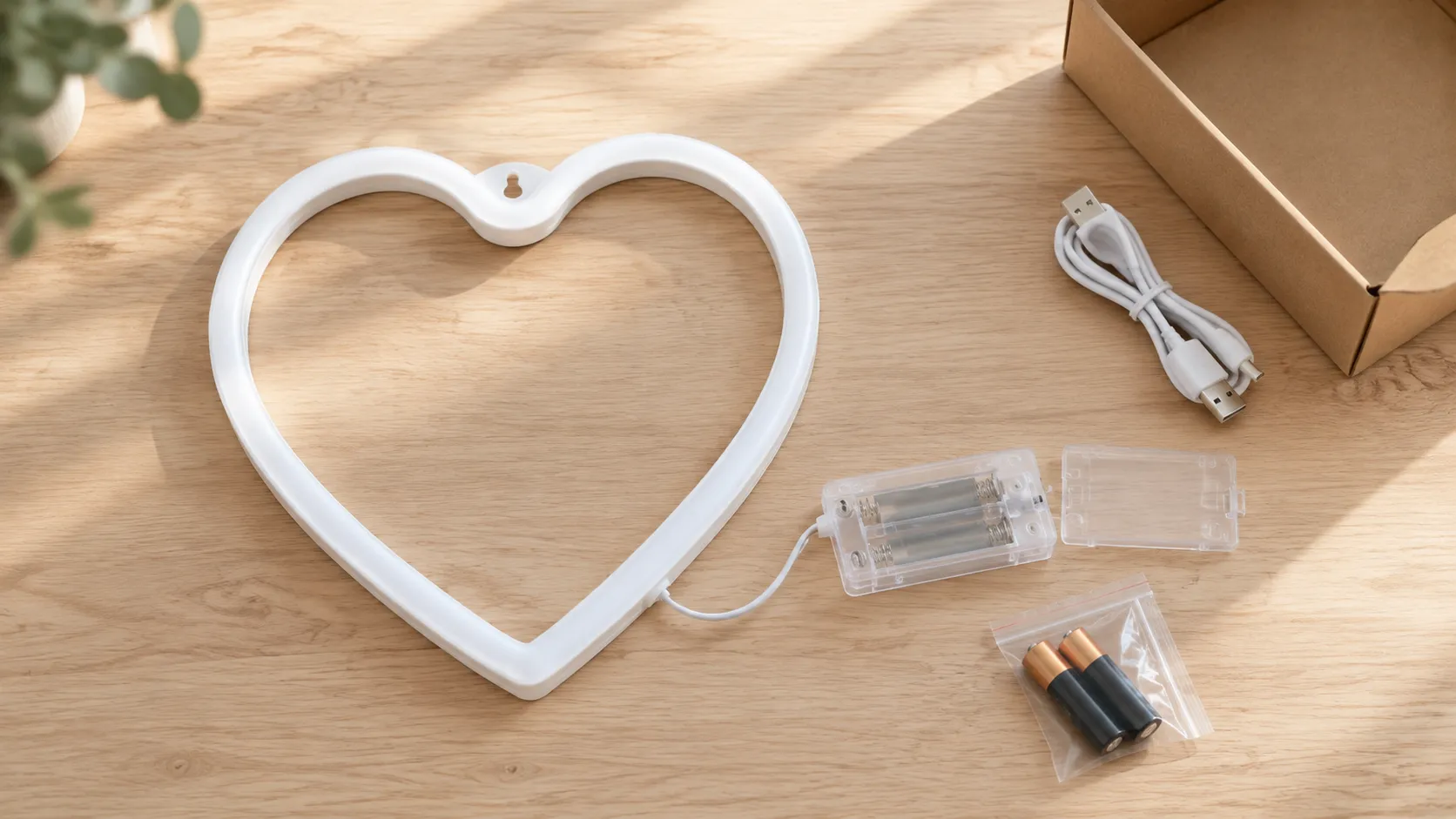
The better route everywhere is an electronics drop-off or a household hazardous waste collection. Unplug, peel the run off and keep the controller and adapter with it. Any battery comes out first: CalRecycle bans every battery, rechargeable or single-use, from California’s trash and recycling bins, and EPA says lithium-ion batteries, and the devices containing them, belong in neither.
Our LED neon signs are LED neon, not glass-tube neon, so the LED rule applies. The stock motifs run on batteries or USB and the heart sign has an AA battery box, so the cells come out first.
Our LED strip kits ship with a remote, a WiFi controller or a motion sensor, and the smart and motion-sensor kits add a plug-in power adapter, which leaves the customer several parts to sort; say so on the box.
How to Dispose of Solar Lights: Take the Battery Out First
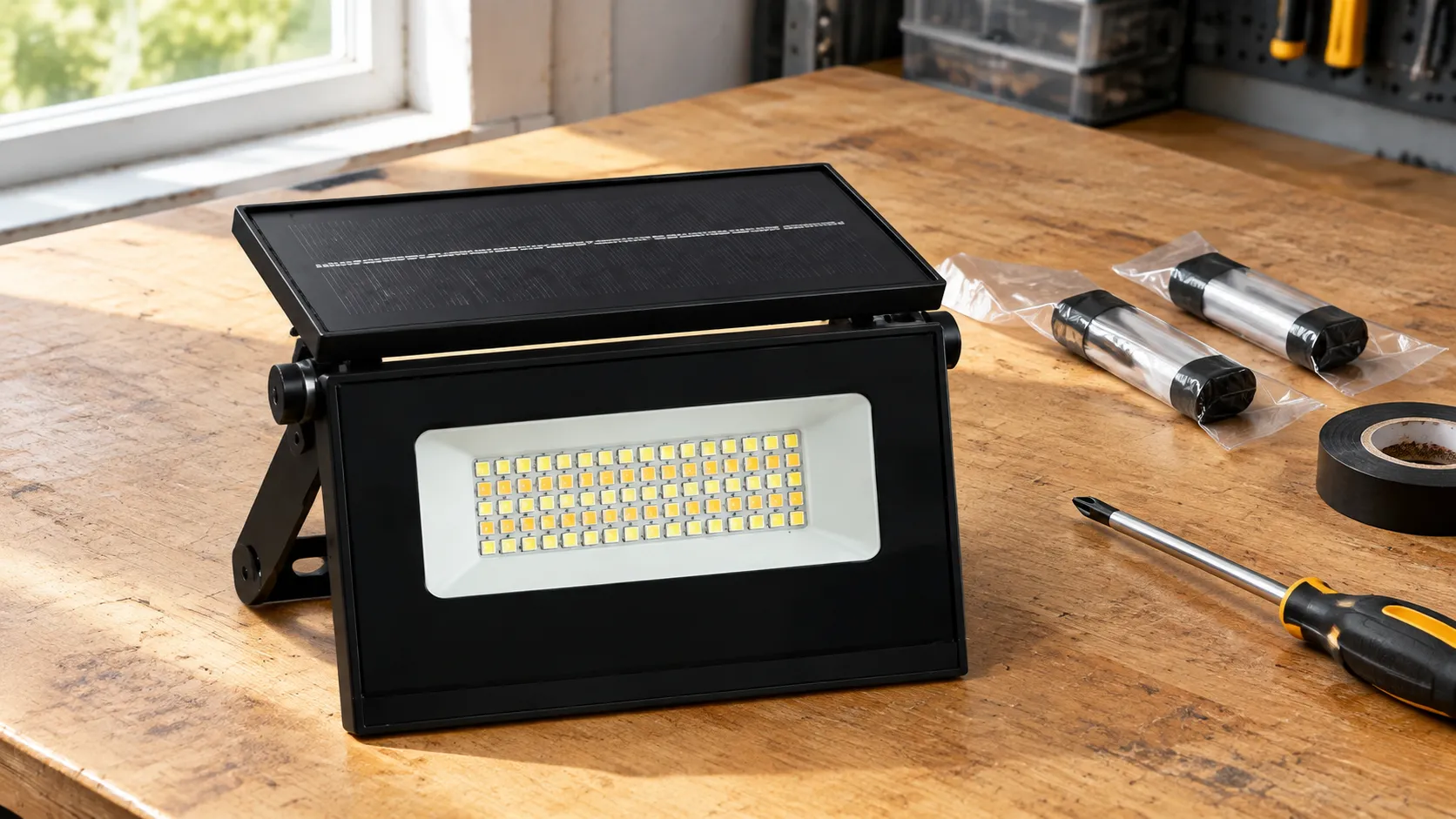
Take the battery out of a solar light first and send it to a battery take-back or a household hazardous waste collection, not the trash or the curbside bin: EPA says lithium-ion batteries belong in neither. Its July 2021 analysis found 245 fires at 64 waste facilities from 2013 to 2020 caused, or likely caused, by lithium batteries.
Chemistry varies by model, so read it off the cell or the spec sheet. In California it makes no difference: CalRecycle bans all batteries, rechargeable and single-use, from the trash, recycling and organics bins. Tape the terminals, bag each cell and take it in. Opening the housing is covered in our solar light repair guide; the empty fixture then follows the electronics route.
Cell chemistry is not the same in every solar light, so ask us to confirm it for the solar flood light model on your quote and print it on the listing.
- Set it in a bucket of sand or kitty litter, or somewhere away from anything flammable.
- If you think there is an imminent risk of fire, you may need to call 911.
- Otherwise, ask the manufacturer, the retailer it came from, or your household hazardous waste program for directions.
- Tape the terminals with non-conductive tape, electrical tape preferred.
- Keep it out of the household garbage and the recycling bin.
Source: U.S. EPA, An Analysis of Lithium-ion Battery Fires in Waste Management and Recycling (EPA 530-R-21-002, July 2021), retrieved 2026-10-21
Disposal Table: Bulb or Light Type, Trash or Recycle, Where It Goes
Two types go in the trash, one goes to a lamp recycler and the rest go to electronics or battery recycling, each verdict next to the agency behind it.
| Bulb or light | Household trash? | Where it goes | Basis |
|---|---|---|---|
| Incandescent bulb | Yes, wrapped | Household trash | Missouri DNR |
| Halogen bulb, including a candle warmer’s GU10 | Yes, wrapped and cool | Household trash | Missouri DNR |
| CFL or fluorescent tube | No where recycling exists; landfill bans in the six states EPA lists, recycling required in Minnesota | Lamp drop-off, store take-back or mail-back | EPA; MPCA |
| LED light bulb | Allowed in some cities; never in California | Bulb or electronics recycling | NYC Sanitation; CalRecycle |
| LED strip or LED neon sign | Allowed in some places; never in California | Electronics drop-off, batteries out first | CalRecycle; EPA (lithium-ion) |
| Solar light battery | No | Battery take-back or household hazardous waste | EPA; CalRecycle |
| Solar light housing, battery removed | Follow the local electronics rule | Electronics drop-off | CalRecycle |
Treat the table as a floor: a stricter local rule overrides it, which is why the LED bulb row and the LED strip and neon row carry two answers.
What to Tell Customers at the Counter and on the Listing
Answer the disposal question on the listing before it reaches the counter: one line per product, naming the route rather than the statute.
Regulators already work through labels. Minnesota requires sellers of fluorescent and mercury HID lamps to mark each one as containing mercury, not for the garbage, and to be recycled (MPCA). Our lines sit outside that rule, but the format carries over: GU10 spares, wrap and trash once cool; LED strip and neon, electronics drop-off, batteries out; solar lights, battery to battery recycling, chemistry confirmed at quote stage. Need recycling marks on the pack? Name the destination on the quote request and we will confirm what can be printed.
The hard counter case is a swollen battery, and EPA names the retailer as one place its owner should call. Decide in advance: keep it away from healthy cells in any take-back box and point the customer to household hazardous waste collection.
There is a trade-off to own. A halogen spare is the easiest item in this guide to discard, and our solar and LED lines are the hardest, with a battery to remove and a drop-off to find. Leaving that off the listing only moves the question to your returns desk.
Put the disposal line on the pack, not on the returns desk
We build candle warmer GU10 spares, LED strip, LED neon and solar flood lights in our own factory in Foshan: 4,000 square metres, 40 people and two production lines. Name the destination market on the quote request and we will confirm the pack copy for each line.
Watch it work
Trash or recycle, in 40 seconds:
FAQ
Can I put light bulbs in the recycling bin?
Usually not the curbside cart. The recycling routes EPA lists for mercury bulbs are a local collection program, a store take-back and a mail-back service, and the cart is not one of them. For filament bulbs, the state guidance we checked names the household trash instead. If your hauler takes bulbs in the cart, its accepted-items list will say so.
Is it okay to throw LED light bulbs in the garbage?
Only where your local rule says so, and your city or county waste page for light bulbs is the fastest check. If it says trash, double-bag the bulb so nobody handling the bag gets cut. If it says nothing, or you live in California, use a bulb or electronics drop-off.
How to dispose of solar light batteries?
Treat every cell as its own item. Some battery drop-offs take rechargeable cells only, which is where solar light cells belong, so bag them apart from household alkalines. A cell left in a dead light over winter that shows white crust, rust or a bulge counts as damaged: use the damaged-battery steps above, not a store bin.
Sources
Every external figure above was checked on 2026-10-21: mercury content, landfill bans, breakage cleanup, battery handling and fire counts from the U.S. Environmental Protection Agency; household rules from the Missouri, California and Minnesota state agencies and the New York City Department of Sanitation; store take-back terms from The Home Depot’s own published guide.
- U.S. Environmental Protection Agency, Recycling and Disposal of CFLs and Other Bulbs that Contain Mercury, last updated November 26, 2025 (recycling recommended for mercury bulbs; California, Maine, Massachusetts, New Hampshire, Vermont and Washington listed as prohibiting mercury lamps from landfills; seal the bulb in a plastic bag where trash disposal is permitted; retailer take-back and mail-back options), retrieved 2026-10-21.
- U.S. Environmental Protection Agency, What Are the Connections between Mercury and CFLs? (about four milligrams of mercury per CFL; older thermometers about 500 milligrams, equal to the mercury in more than 100 CFLs), retrieved 2026-10-21.
- U.S. Environmental Protection Agency, Cleaning Up a Broken CFL (air out 5 to 10 minutes, heating and air conditioning off, stiff paper and sticky tape, glass jar or sealable bag, no vacuuming, debris outdoors, keep airing for several hours), retrieved 2026-10-21.
- U.S. Environmental Protection Agency, Frequent Questions on Lithium-Ion Batteries (damaged or swollen batteries: call 911 if fire is imminent, otherwise sand or kitty litter and contact the manufacturer, retailer or household hazardous waste program; tape terminals with non-conductive tape; batteries and devices containing them out of household garbage and recycling bins), retrieved 2026-10-21.
- U.S. Environmental Protection Agency, An Analysis of Lithium-ion Battery Fires in Waste Management and Recycling, EPA 530-R-21-002, July 2021 (245 fires at 64 facilities in 28 states, 2013 to 2020: 139 at landfills, 68 at materials recovery facilities, 23 at other facilities, 15 in transport; 89% confirmed; fires underreported), retrieved 2026-10-21.
- Missouri Department of Natural Resources, Household Hazardous Waste (standard incandescent and halogen bulbs do not contain hazardous materials and go in household trash, wrapped; LED bulbs listed with CFLs and fluorescent tubes as bulbs containing toxic metals), retrieved 2026-10-21.
- CalRecycle, State of California, Waste Banned from the Trash (fluorescent lamps and tubes, including metal halide and sodium vapor lamps; never put LED lights in the trash; all batteries, rechargeable and single-use, banned from the trash, recycling and organics bins), retrieved 2026-10-21.
- Minnesota Pollution Control Agency, Selling fluorescent and mercury lamps (bulbs), fact sheet w-hw4-21, February 2025 (Hg and Contains mercury marks; every fluorescent lamp contains mercury; seller labeling requirement; sellers not required to accept used lamps; all mercury-containing lamps, metal halide included, must be recycled when discarded), retrieved 2026-10-21.
- New York City Department of Sanitation, Light Bulbs (incandescent, LED and CFL bulbs go out with the trash, double-bagged; CFL drop-off option), retrieved 2026-10-21.
- The Home Depot, How to Dispose of Light Bulbs, August 11, 2025 (The Home Depot named among retailers accepting intact and undamaged CFL bulbs for recycling; ask the local store for current in-store options), retrieved 2026-10-21.
