


Key takeaways
The retail display ideas that actually sell more reach a second sense beyond sight. Warm, layered light and a gentle scent zone turn a shelf into a place shoppers want to stand, and a flame-free warm-glow window keeps selling after the doors close, without the open flame that fire code keeps out of a shop.
- Sensory sells: peer-reviewed retail research found that ambient scent improves how shoppers evaluate a store and how they behave in it (Spangenberg, Crowley and Henderson, Journal of Marketing, 1996), and warm light is the cheapest way to change how a space feels.
- The window is your best salesperson, but the fire code has a say: candle burning is not allowed in mercantile occupancies unless a fire marshal approves it (University of Nebraska Building and Fire Safety), so an open flame in the window is usually off the table.
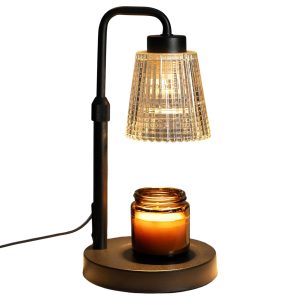
- A flame-free candle warmer lamp gives the same warm pool of light and real scent with no open flame, so it can run through closing hours safely, when a static, unlit display disappears from the sidewalk.
- Merchandise the mood, not the price tag: in our last 100 five-star reviews of our best-selling candle warmer, 28% mention its look and ambiance, ahead of gifting at 12%, which is exactly what a good display leads with.
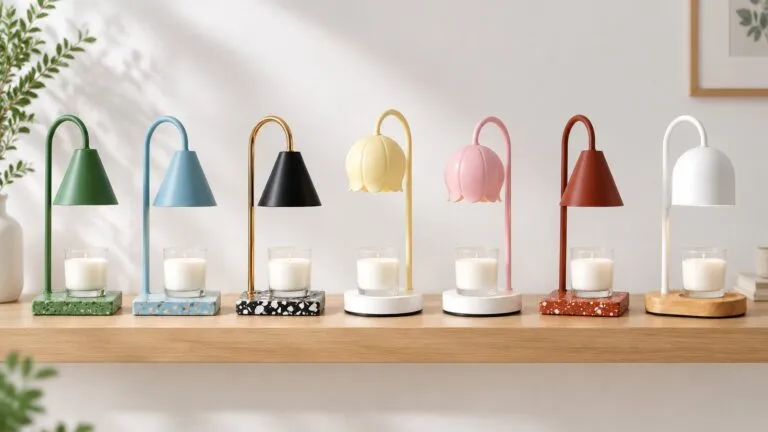
- The buyer’s move: build the cozy shelf from one supplier so light, candles and refills cross-merchandise, and the whole sensory range restocks and private-labels together.
01What retail display ideas actually sell more?
The retail display ideas that actually sell more are the ones that reach a second sense, not just a sharper version of the same visual shelf. A display built only for the eye competes with every other display in the shop on looks alone. A display that adds warm light and a hint of scent stops competing on looks and starts competing on feeling, and feeling is what makes a shopper slow down, pick something up, and stay long enough to buy.
We say this as a team that supplies the cozy-home shelf to retailers, so we watch which displays reorder and which quietly die. The pattern is consistent: the displays that reorder are the ones a shopper remembers as a moment, a warm corner that felt like somewhere to linger, rather than a rack they walked past. That is not a mood-board opinion. It is the difference between a shelf that sits there and a shelf that pays for its floor space.
The playbook below is built around two senses a small store can control cheaply and legally: light and scent. It covers what to do on the sales floor, how to dress a store window that keeps working after you lock up, how to merchandise the gift and fragrance category, and how to source the whole thing so it restocks as one coherent range instead of five scattered orders.
02Why does a sensory display sell more than a static shelf?
A sensory display sells more than a static shelf because it engages the shopper’s attention on two channels at once, and attention is the scarce resource in a store full of things to look at. Warm, directed light pulls the eye to a focal point and makes merchandise look richer than a flat fluorescent wash, which flattens everything and gives the eye nowhere to rest. Scent adds a second, slower signal that a screen or a flyer can never carry, and it lands before the shopper has read a single tag.
This is not just intuition from the shop floor. In one of the foundational studies on the subject, retail researchers found that ambient scent improved how people evaluated a store environment and how they behaved in it, compared with an unscented control (Spangenberg, Crowley and Henderson, Journal of Marketing, 1996). The mechanism a buyer cares about is simple: a pleasant, low-key scent makes a space feel considered, and a considered space earns a few more seconds of attention per shopper. Those seconds are where browsing turns into buying.
The category behind these displays is real money, not a passing feed trend. Grand View Research valued the global candle market at USD 14.8 billion in 2025 and projects it to reach USD 25.4 billion by 2033, a compound growth rate of 7.3% (Grand View Research, Candles Market, retrieved 2026-07-19). North America is a major market for the wider home fragrance category, holding a 28.8% revenue share in 2025 (Grand View Research, Home Fragrance Market, retrieved 2026-07-19). A display tied to a growing category is one worth building a fixture around; the light and scent are what get shoppers to notice it is there.
03Store window display ideas: a warm glow that beats the fire code
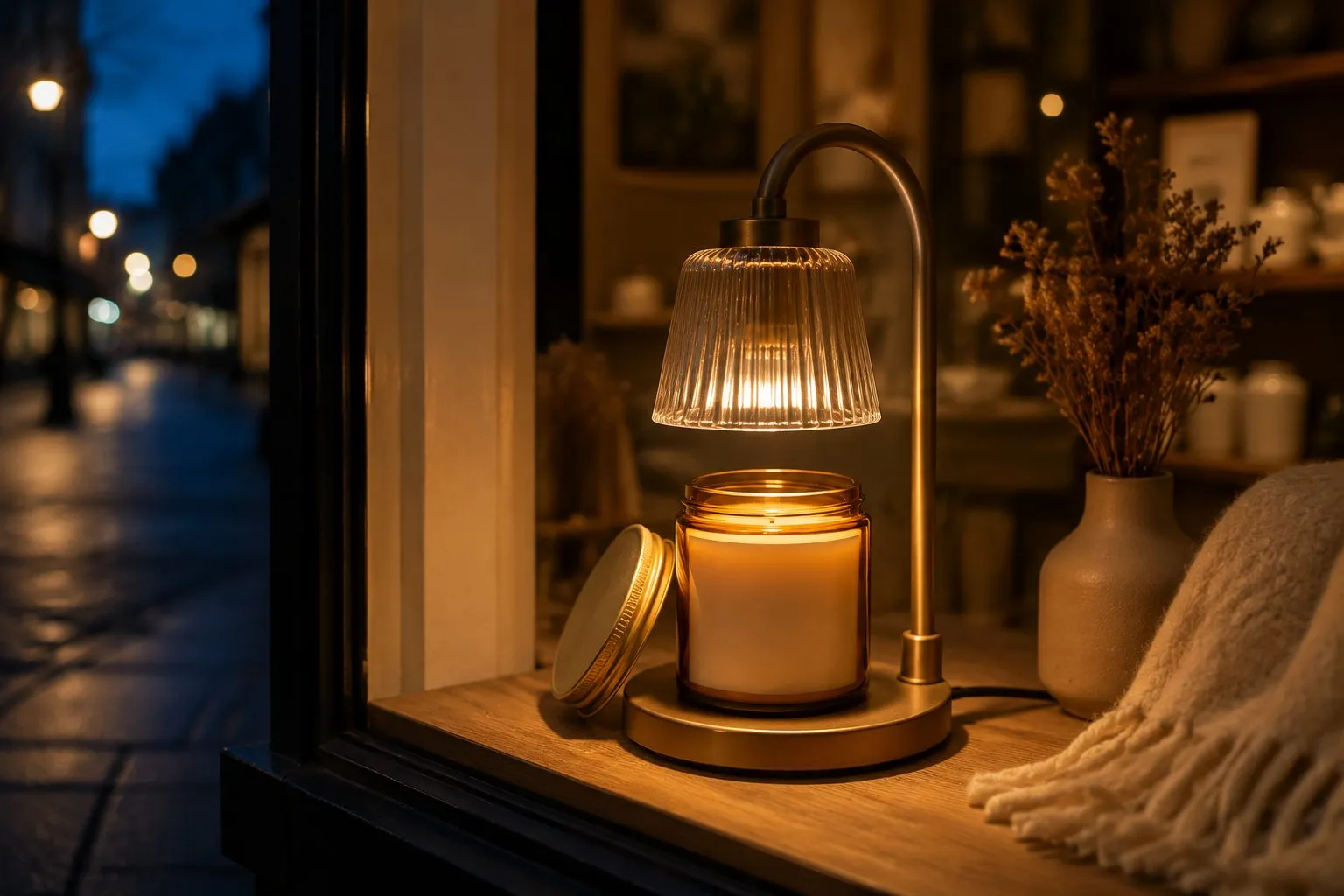
Your window is the one display that works while the shop is closed, and the single fastest way to make it work harder is light, not props. A warm-glow piece left on in the window reads from across the street after dark, exactly when a static, unlit display disappears. Here is the catch most shops hit when they try to sell the cozy, candlelit look: you cannot legally leave a real candle burning in that window.
Fire safety code treats a shop as a mercantile occupancy, and candle burning is not allowed in mercantile occupancies unless it is specifically approved by the authority having jurisdiction (University of Nebraska Building and Fire Safety, retrieved 2026-07-19). Even where a fire marshal signs off, no code will let you leave an open flame in an unattended window overnight, which is the exact moment a window earns its keep. The reason the rule exists is not bureaucratic: US fire departments respond to an average of 7,610 home structure fires started by candles each year, causing 81 deaths and about USD 278 million in direct property damage (NFPA, Candle Fires, retrieved 2026-07-19), and a shop full of combustible stock is a worse place for a flame than a home.
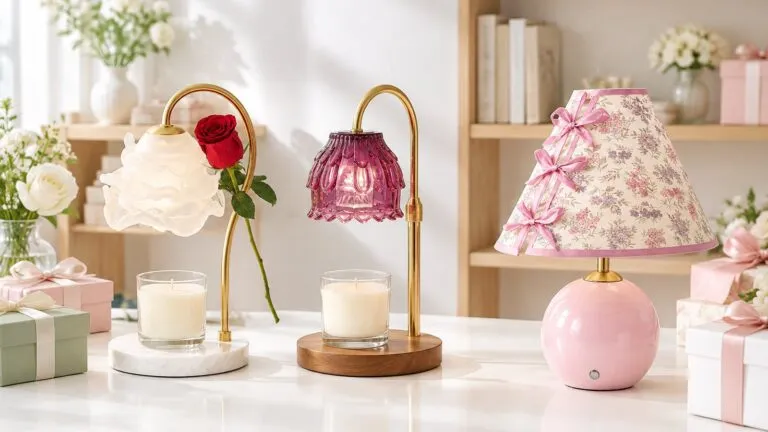
A flame-free candle warmer lamp is how you get the look without the liability. It throws the same warm pool of light and melts a real scented candle from above with a bulb, so the window carries genuine glow and genuine fragrance at the door, with no open flame to breach the code, your lease, or your insurer’s patience. It can run on a timer through closing hours, which turns your dark window into a salesperson that never clocks out. That single swap, a lamp for a flame, is the store window display idea that quietly separates the shops that can sell candlelight from the shops that only wish they could.
04What are the best gift shop display ideas for a cozy category?
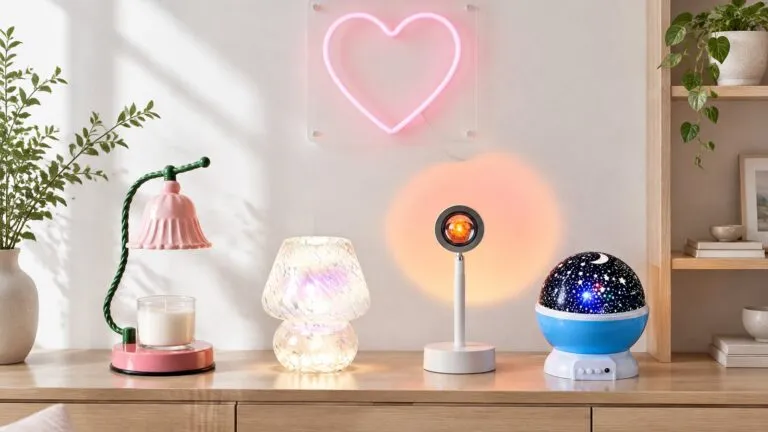
The best gift shop display ideas for the cozy and fragrance category merchandise the mood first and the price tag second, because a gift buyer is shopping for a feeling to give, not a spec to compare. Build a small vignette where a warm-glow lamp lights a group of candles, wax melts and small accessories, and let it read as one styled set rather than a row of boxed SKUs. A shopper who can picture the whole scene on their own shelf buys the scene, not just the one item they came in for.
The move that turns that vignette into repeat revenue is cross-merchandising the refill tail right beside the hero piece. When the candles and wax melts sit within arm’s reach of the lamp that warms them, one lamp sale becomes a lamp plus refills, and the customer has a reason to come back for more scent long after the fixture is bought. Our own review data is the reason we merchandise it this way: in our last 100 five-star reviews of our best-selling candle warmer lamp, 28% of shoppers mention how it looks and the ambiance it creates, ahead of gifting at 12%. People buy this category for the glow, so the display should lead with the glow.
Source: BeginLighting review analysis, last 100 five-star reviews of our best-selling candle warmer lamp, retrieved 2026-07. Themes are non-exclusive; a review can mention more than one.
Finally, put a giftable price point at the front of the vignette so a browser can grab a ready present without a decision. The cozy aesthetic is where shopper demand is heading, too: Pinterest Predicts, the platform’s behavior-based annual forecast, named 21 trends for 2026 with an 88% accuracy record over six years, centered on comfort, warmth and personality (Pinterest, Pinterest Predicts 2026, retrieved 2026-07-19). A gift display that reads cozy and warm is riding the same wave your shoppers are already searching.
| Element | Static shelf | Sensory display |
|---|---|---|
| Lighting | Flat overhead wash, no focal point | Warm, dimmable glow on the hero piece |
| Second sense | Sight only | Sight plus a gentle scent zone |
| After closing | Dark and invisible from the street | Flame-free window glow on a timer |
| Fire-code status | Open flame not allowed unattended | No flame, no permit fight |
| Repeat purchase | One item, no reason to return | Refill tail cross-merchandised beside it |
| Restock | Scattered SKUs, many suppliers | One coherent range, one supplier |
A shelf that sits there
- Lit by the ceiling, no focal glow
- Products grouped by barcode, not mood
- Window goes dark at closing
- No refill, one and done
- Blends into every other rack
A display that sells
- Warm glow directs the eye to the hero
- Grouped as a styled cozy vignette
- Flame-free window works after hours
- Refills cross-merchandised beside it
- Reads as a moment shoppers remember
05Building a sensory display, layer by layer
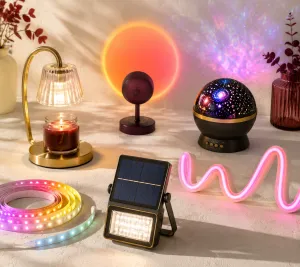
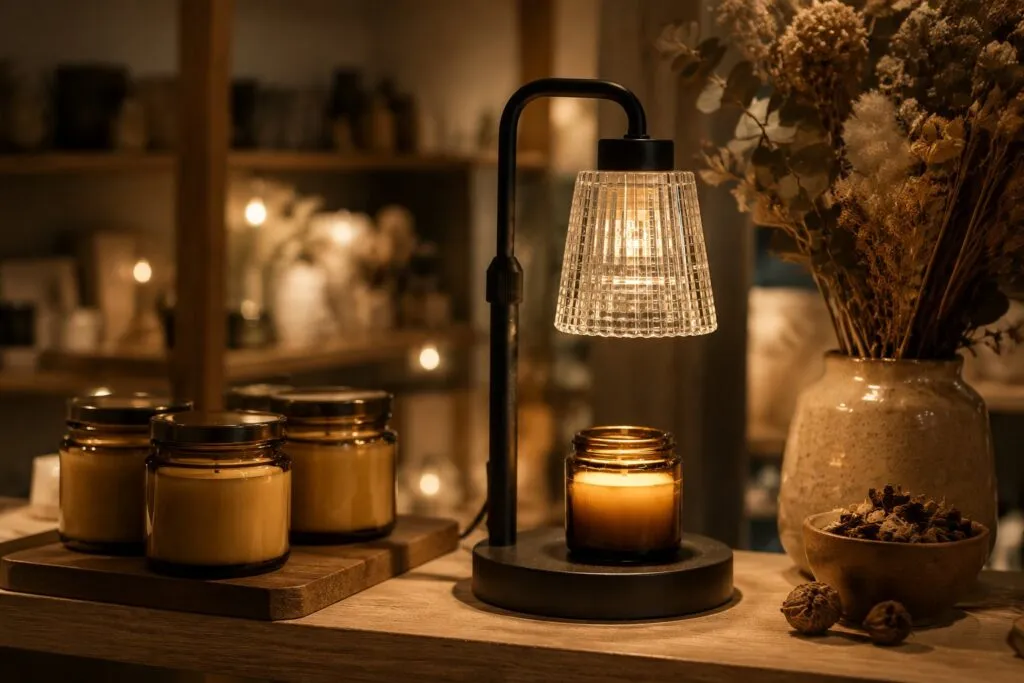
You build a sensory display the way a set designer lights a scene: in layers, from a soft base up to a single bright focal point, rather than one flat setting for the whole fixture. The goal is contrast. A shopper’s eye goes to the brightest, warmest thing in view, so you decide where that is instead of letting the ceiling decide for you. The four layers below are the order we walk retail buyers through when they set a cozy display.
None of this requires rewiring the store. Every layer here plugs in, sits on the fixture, and can be moved or re-dressed for a new season in an afternoon. That is the quiet advantage of doing it with lamps and warmers rather than hardwired fixtures: the display is as flexible as your calendar, and the same pieces restage for the holidays, then again for spring.
Once the layers are set, the window gets the same treatment in miniature: one hero glow piece, one clear product story, and a little empty space so the eye is not fighting clutter. Because the glow is flame-free, that window layer can run on a timer into the evening, which is the difference between a display that closes when you do and one that keeps pulling passersby toward tomorrow’s foot traffic.
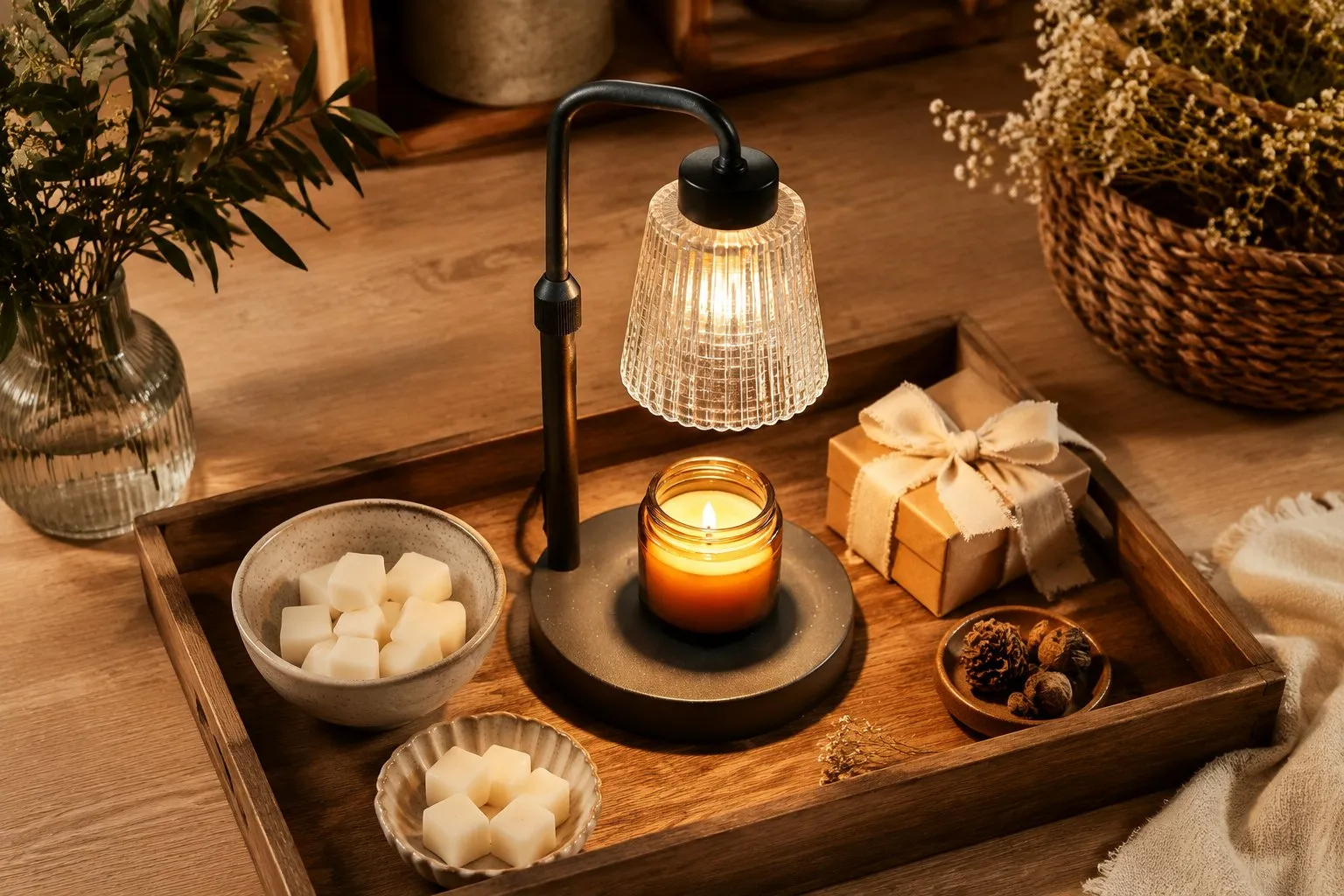
06How do you source a reorderable sensory display program?
You source a reorderable sensory display program by consolidating the whole cozy shelf with one supplier instead of chasing each piece separately. The light, the candles, the refills and the giftable accessories all belong to one story, so buying them as one range keeps the display coherent and, more practically, keeps it restockable. A display built from five scattered orders falls apart the first time one of those five suppliers is out of stock or gone next season.
Consolidation is the advantage most independent buyers underuse. Pulling candle warmers, decorative lamps and the giftable pieces from a single partner collapses several minimums, freight lines and quality standards into one relationship that is far easier to hold to a standard, and it makes private label realistic, so a shop can put its own name on the range instead of reselling the same product as the store down the street. Our wholesale ambient lighting range and our giftable lighting wholesale page are built for exactly that consolidated, reorderable shelf.
The candle warmer sits at the center of the sensory display, which is why it has its own candle warmer lamp category, and it is the anchor piece of this basket: the candle warmer lamp we make ranks number one in its category on Amazon. Buyers dressing a gift assortment usually pair this guide with our gifts for candle lovers breakdown for the front-of-store price points. The honest boundary worth stating plainly is that no supplier can promise a season will land, but a good partner can restock, extend and private-label the pieces that do, so a strong display becomes a durable line rather than a one-time set.
Source the sensory shelf, wholesale
Flame-free candle warmers, decorative lamps and giftable lighting, all built on our own Foshan lines, consolidated under one quote and ready to private-label for your displays. Prices are quoted per project.
FAQ
What are the best retail display ideas for a small store?
The best retail display ideas for a small store engage more than one sense at once, because a small floor cannot compete on square footage but can compete on feeling. Give a focal table a layer of warm, dimmable light instead of flat overhead glare, add one gentle scent zone near it, group products by mood rather than by category, and keep a lit hero piece in the window so the store reads as warm from the sidewalk. A small store wins by making one corner feel like somewhere the shopper wants to stand, then letting the rest of the floor lead there.
Can you use real burning candles in a store window display?
In most cases, no. Fire safety code treats a shop as a mercantile occupancy, and candle burning is not allowed in mercantile occupancies unless it is specifically approved by the authority having jurisdiction (University of Nebraska Building and Fire Safety). Even where a fire marshal permits it, an open flame cannot be left in an unattended window, which rules out an all-day glow. A flame-free candle warmer lamp sidesteps the whole problem: it throws the same warm pool of light and melts a real scented candle, with no open flame to violate the code or your lease.
What are good gift shop display ideas for candles and home fragrance?
Strong gift shop display ideas for the fragrance category merchandise the mood first and the price tag second. Build a small cozy vignette where a warm-glow lamp lights a group of candles and wax melts, cross-merchandise the refills right beside the lamp so one sale becomes several, and add a giftable price point at the front so a browser can grab a ready present without deciding. The goal is a shelf that sells a feeling of home and gives the shopper an easy way to take it with them.
Does store lighting really affect sales?
Yes, lighting is one of the cheapest levers a store has for changing how a space feels and how long shoppers stay. Warm, layered light draws the eye to a focal display and makes merchandise look richer than flat fluorescent light does, while a bright, even wash flattens everything and gives the eye nowhere to rest. You do not need to rewire the store to use it: a few dimmable accent and glow pieces on the displays you most want to sell will re-weight where shoppers look and linger.
How do I make a store window display stand out on a small budget?
The cheapest way to make a store window display stand out is light, not props. A single warm-glow lamp left on in the window reads from across the street after dark, when a static, unlit display disappears. Keep the window simple, one hero glow piece, one clear product story, and a little negative space, and let the warmth do the work that an expensive set piece cannot. Because the lamp is flame-free, it can run through closing hours safely, so the window keeps selling when the shop is dark.
BeginLighting builds its candle warmer lamps and the wider ambient and decorative lighting basket on its own Foshan lines. Market and safety figures in this guide are drawn from the published sources cited below; the review breakdown is our own first-party data. Fire and building codes vary by jurisdiction, so confirm local requirements with your authority having jurisdiction before planning any display.
Sources
- National Fire Protection Association, Candle Fires (average 7,610 US home structure fires per year, 81 deaths, USD 278 million in direct property damage), retrieved 2026-07-19.
- University of Nebraska, Building and Fire Safety, Frequently Asked Questions (candle burning not allowed in mercantile and other occupancies unless specifically approved by the authority having jurisdiction), retrieved 2026-07-19.
- Grand View Research, Candles Market Size & Share Report (USD 14.8 billion in 2025, projected USD 25.4 billion by 2033, 7.3% CAGR; North America 32.2% revenue share in 2025), retrieved 2026-07-19.
- Grand View Research, Home Fragrance Market Size & Share Report (North America 28.8% revenue share in 2025), retrieved 2026-07-19.
- Spangenberg, Crowley & Henderson, Improving the Store Environment: Do Olfactory Cues Affect Evaluations and Behaviors?, Journal of Marketing, 1996 (ambient scent improved store evaluations and shopper behavior versus an unscented control), retrieved 2026-07-19.
- Pinterest, Pinterest Predicts 2026: methodology and track record (21 trends for 2026; 88% accuracy over six years; comfort and warmth themes), retrieved 2026-07-19.
Building a wax melt display that sells the refill
A wax melt display works differently from a candle display, because the shopper is buying a consumable that needs a device to use it. Merchandised on its own, a wall of clamshells is a price comparison. Merchandised under a lit warmer, the same clamshells become the refill for something the shopper can see working, and the attach rate does the rest. The rule of thumb is short: never show the melt without showing the glow that melts it.
- Put one lit warmer at eye level as the hero, with the melts directly beneath it and within arm’s reach.
- Group by scent family rather than by brand, so a browser can smell along the shelf instead of reading labels.
- Keep a single open tester near the hero and let the warmer’s own aroma lead; a wall of competing scents flattens all of them.
- Face the pack so the fragrance name reads from a meter away, and keep a gift-ready bundle at the end of the run for the shopper who wants a whole present in one pick.
The same layout works in the window on a timer, because a flame-free warmer can stay lit after closing. That is the version of the display that keeps working when nobody is in the shop.
One clarification on terms, because buyers arrive with both in mind. What a contractor calls led retail lighting – track heads, downlights, the ceiling grid, the whole fit-out specification – is a capital decision made once every few years, and led showroom lighting is the same discipline at showroom scale, tuned for longer sightlines and longer dwell time. The ideas in this guide sit one layer below that: plug-in, movable, re-dressable pieces that live on the fixture itself. They are not a substitute for a good ceiling, and they do not need a rewire either, which is exactly why a display team can change them on a Tuesday afternoon.
