


Every candle factory says yes to non toxic candles, because the phrase costs nothing to type and no United States regulation defines it. There is no federal test a candle passes to earn the label. What exists instead is an evidence burden, and it lands on whoever prints the label, which in a private label program is you. This page turns the marketing phrase into four document sets a buyer can request, read and file before the first purchase order.
It is written for category buyers, private label brand owners and sellers who carry the legal exposure for whatever the listing says. Nothing below needs a laboratory of your own. Every item is something a competent supplier already has on a shelf, or can produce within one sampling cycle. How fast the reply comes back tells you more than the reply does.
Key takeaways
- No US federal standard defines a non-toxic candle. The rule at 16 CFR 260.10 makes the phrase a substantiation duty, not a product category.
- The only chemical limit written for candles is the lead ceiling on metal wick cores, in force since October 15, 2003. Lead-free wicks are the legal floor, not a feature.
- Four dossiers carry the proof: wax composition, wick construction, fragrance documents and burn test reports. Ask for all four in one email.
- Phthalate free candles are proven by fragrance-house paperwork, including a Certificate of Conformity only the formulator can issue, never by a line on factory letterhead.
- Qualified claims beat the bare adjective, because a qualified claim still holds up in a compliance review two years later.
Why non toxic candles is a claim about evidence, not chemistry
The governing text is short. Under the Federal Trade Commission Green Guides at 16 CFR 260.10, it is deceptive to misrepresent, directly or by implication, that a product is non-toxic. The section reads the claim as covering both people and the environment, so a marketer either holds scientific evidence for that full breadth or qualifies the claim clearly enough that buyers are not misled. The rule even describes a cleaner marketed as practically non-toxic, harmless to people but toxic to aquatic life, and calls that deceptive anyway.
Two commercial consequences follow. The claim is not forbidden, it is simply expensive to hold, and the cost is paid in documents rather than tooling. And liability follows the name on the label, not the factory on the invoice: when a compliance team asks who substantiated the phrase, the answer must be a file in your office, built from what the supplier sent.
So experienced buyers stop asking whether a candle is non-toxic, because that question invites a yes that means nothing. The productive version is harder to dodge: name the wax grade, the wick series and the fragrance house, and send the burn report.
The one chemical limit written for candles, and the ones buyers borrow
American candle regulation is thinner than most sourcing teams assume. The one chemical concentration limit aimed at candles sits in the banned hazardous substance rules at 16 CFR 1500.17(a)(13), which allows a metal wick core only where lead content, calculated as the metal, is not more than 0.06 percent of the core weight. It covers candles and metal-cored wicks made or imported on or after October 15, 2003. A supplier presenting lead-free wicks as a differentiator is quoting the law back at you.
Everything else on a retailer restricted substance list is borrowed from children’s product law, which does not cover candles by statute but travels into commercial specifications anyway. Total lead content for children’s products stepped down to 100 parts per million under 15 USC 1278a. Lead in paint and similar surface coatings has been capped at 0.009 percent by weight, about 90 parts per million, since August 14, 2009 under 16 CFR 1303.1. Eight named phthalates are limited to 0.1 percent in children’s toys under 16 CFR 1307.3.
Knowing which limit is law and which is policy changes the negotiation. A buyer imposing the 100 ppm children’s threshold on a glass candle is setting a contract term, not enforcing an obligation, so it can be accepted, priced or challenged. Ask the supplier to state in writing which limits the SKU was tested against, by which laboratory, and on which lot.
Source: 16 CFR 1500.17, 16 CFR 1307.3, 16 CFR 1303.1 and 15 USC 1278a, via Cornell Legal Information Institute (retrieved 2026-08-24)
Wax composition: ask for the blend, not the adjective
Soy candle is not a regulated term in the United States, and no minimum soy percentage attaches to it. Much of the category is blended: soy with coconut, soy with paraffin, or a proprietary vegetable formulation tuned for glass adhesion and scent throw. Blending is not the problem. Undisclosed blending is, because a buyer printing a wax claim has taken responsibility for a number the factory never wrote down.
Request three things and the picture resolves fast: a percentage breakdown by weight, the wax supplier name with grade code, and the wax Safety Data Sheet. A factory that can name the grade has a real upstream relationship and a file to draw on. A factory whose best answer is natural soy wax has never been asked, so the documentation gets built from scratch on your timeline.
Two follow-ups cover the rest. Are additives used, from hardeners and UV inhibitors to dyes, and are they declared on the Safety Data Sheet rather than treated as proprietary? And if you intend to print a soy percentage, is it backed by third-party biobased verification such as USDA BioPreferred certification, which measures biobased carbon by the ASTM D6866 method? An unverified percentage is a claim you defend alone.
Wick construction: the lead question is settled, the rest is not
Because the lead ceiling at 16 CFR 1500.17(a)(13) has been in force since 2003, wick documentation is easy to obtain and rarely interesting. Collect it anyway, as a wick supplier specification plus a declaration referencing the rule, because auditors ask rather than assume and a missing page stalls an otherwise compliant shipment. Treat it as filing, not due diligence.
For the rest of the wick conversation — series, sizing to the jar and mushrooming — see the candle wick guide.
The questions that change product quality sit elsewhere. Ask for the wick type, whether cotton, paper-cored, wood or zinc-cored. Zinc cores remain legal in the United States, but many clean-positioned programs exclude them by policy, and that exclusion belongs in your specification rather than in an assumption. Then ask for the series and size, and whether the wick was sized to this vessel with this wax blend and this fragrance load, or carried over from an adjacent SKU because it was already in the drawer.
Wick sizing is where most burn complaints are born. An undersized wick tunnels and strands wax on the glass. An oversized one runs hot, mushrooms and throws carbon. Neither failure is a wax problem, and neither is fixed by a more natural sounding wax. Ask to see the wick trial log: the candidates tested in this vessel, and why the winner won.
How phthalate free candles are actually documented
Fragrance is where most of the concern behind the search term lives, and it is the one dossier a factory cannot write for itself. Phthalates have a long history as solvents and fixatives in fragrance compounds, and several carry regulatory weight. The California Office of Environmental Health Hazard Assessment maintains the Proposition 65 list, current version dated July 31, 2026, where di(2-ethylhexyl)phthalate has been listed as a carcinogen since January 1, 1988 alongside developmental and male reproductive toxicity listings. Anything shipping into California carries that exposure whether or not the word appears in your specification.
Substantiated phthalate free candles therefore arrive as a stack rather than a sentence: the fragrance house name with the oil reference number, a written phthalate-free declaration from that house covering the specific oil, the fragrance Safety Data Sheet, and the Certificate of Conformity to the International Fragrance Association Standards. That last document is widely misunderstood. IFRA is explicit that only the company formulating the fragrance mixture prepares the certificate, that IFRA does not issue it and no third party certifies on its behalf, and that it declares conformity without replacing a safety assessment.
Two details make the certificate readable. Candles sit in IFRA Category 12, covering products with minimal or insignificant transfer to skin, so a certificate showing only leave-on skin categories is not answering your question. And the standards are versioned by amendment, currently the 51st, so an old amendment means the certificate was never refreshed with the formula. A factory forwarding fragrance-house documents passes through a real chain of custody. A phthalate-free line on factory letterhead proves only that the factory owns a printer.
What clean burning candles look like on a test report
Soot, tunnelling and unstable flame are performance failures, and they are also what most consumers mean when they call a candle toxic. The American benchmark set is the ASTM candle standards, summarized by the National Candle Association. ASTM F2417 is the fire-safety design standard covering maximum flame height, tip-over limits, secondary ignition and end-of-useful-life behavior. ASTM F2058 is the cautionary labeling standard behind the warning on the jar base. ASTM F2179 governs annealing and thermal shock for glass containers, and ASTM F2601 covers accessories.
Ask three questions about the report, not one. Was this SKU tested to ASTM F2417, by which laboratory, and on which production lot? A report from a hand-poured studio sample says little about ten thousand units on production tooling, and one dated before the current wick or vessel change describes a product you are no longer buying. Where glass is involved, ask the vessel supplier separately for ASTM F2179 conformity plus thermal shock and drop results, because the vessel is usually a different vendor with a different file.
Above that safety floor sits the data that predicts your reviews: burn hours per fill, melt pool diameter, time to a full melt pool, and soot observations logged during testing. Genuinely clean burning candles are an outcome of wick-to-vessel engineering, pour temperature and cure time, not a property conferred by the wax name, and the burn log is the only document showing that work happened.
The document pack behind the best non toxic candles
Reduced to a table, the exercise maps claims you want to print onto documents that support them. The best non toxic candles on a supplier specification sheet are not the ones with the most adjectives; they are the ones where every line on the left already has a dated, lot-referenced file on the right. Use the third column as your red-flag list during first sampling, while switching suppliers still costs nothing.
| Claim you want on pack | Document that substantiates it | Red flag in the reply |
|---|---|---|
| Soy wax or natural blend | Wax grade code, Safety Data Sheet, composition by weight, biobased verification if a percentage is printed | Natural soy wax, no grade name, no supplier |
| Lead-free wick | Wick series specification plus declaration referencing 16 CFR 1500.17(a)(13) | Sold as a premium feature, not a legal baseline |
| Phthalate-free fragrance | Fragrance-house declaration for the named oil, oil Safety Data Sheet, IFRA Certificate of Conformity in Category 12 | Self-issued certificate, or an outdated amendment |
| Clean, even burn | ASTM F2417 report plus burn log with melt pool and soot observations from production tooling | Report predates the current wick or vessel |
| Retail-ready packaging | ASTM F2058 artwork check, ASTM F2179 glass certification, general certificate of conformity | Artwork designed after production is booked |
| Consistent between orders | Signed specification listing wax grade, wick series, fragrance reference and load, plus change-notification clause | Refusal to lock the wick series in writing |
One clause is worth more than the rest of the file and costs nothing: a change-notification requirement stating that wax grade, wick series, fragrance reference and vessel supplier may not change without written approval. Substantiation collapses quietly, when a factory swaps a discontinued wick between runs and every report you hold stops describing the goods in the carton.
Five steps before the first purchase order
The sequence below is deliberately front-loaded. Every step before mass production is cheap; every step after it means accepting a compromise or reprinting packaging. Buyers who lose money here usually lose it by running steps four and five after the container is booked.
Step one does more work than it looks. A brand that decides in advance to print lead-free cotton wick, fragrance documented phthalate-free, and tested to ASTM F2417 has chosen claims four attachments can support. A brand that decides to print non-toxic has chosen a claim that, read the way 16 CFR 260.10 reads it, no attachment set fully supports. Copywriting sets the evidence burden before sourcing starts.
The part suppliers do not volunteer
Here is the fact that complicates every clean-positioned assortment, including ours: combustion produces particles regardless of what is burning. The US Environmental Protection Agency literature review on candles and incense as sources of indoor air pollution, published as EPA/600/R-01/001, records that burning candles can be sources of particulate matter, and that candles with lead-core wicks could raise indoor lead above EPA-recommended thresholds. The lead half was closed by rule in 2003. The particulate half is inherent to open-flame combustion and is not removed by choosing soy, coconut or beeswax.
That does not make candles unusually hazardous, and published emission results vary with burn stability, room volume and sample size, so any single paper reads as directional rather than decisive. What it does mean is that zero-emission language is indefensible, while the practical mitigations are dull and effective. EPA indoor air guidance ranks source control first and outdoor air ventilation second. Trim the wick, keep the burn stable, ventilate the room, and put that instruction on the pack instead of a superlative.
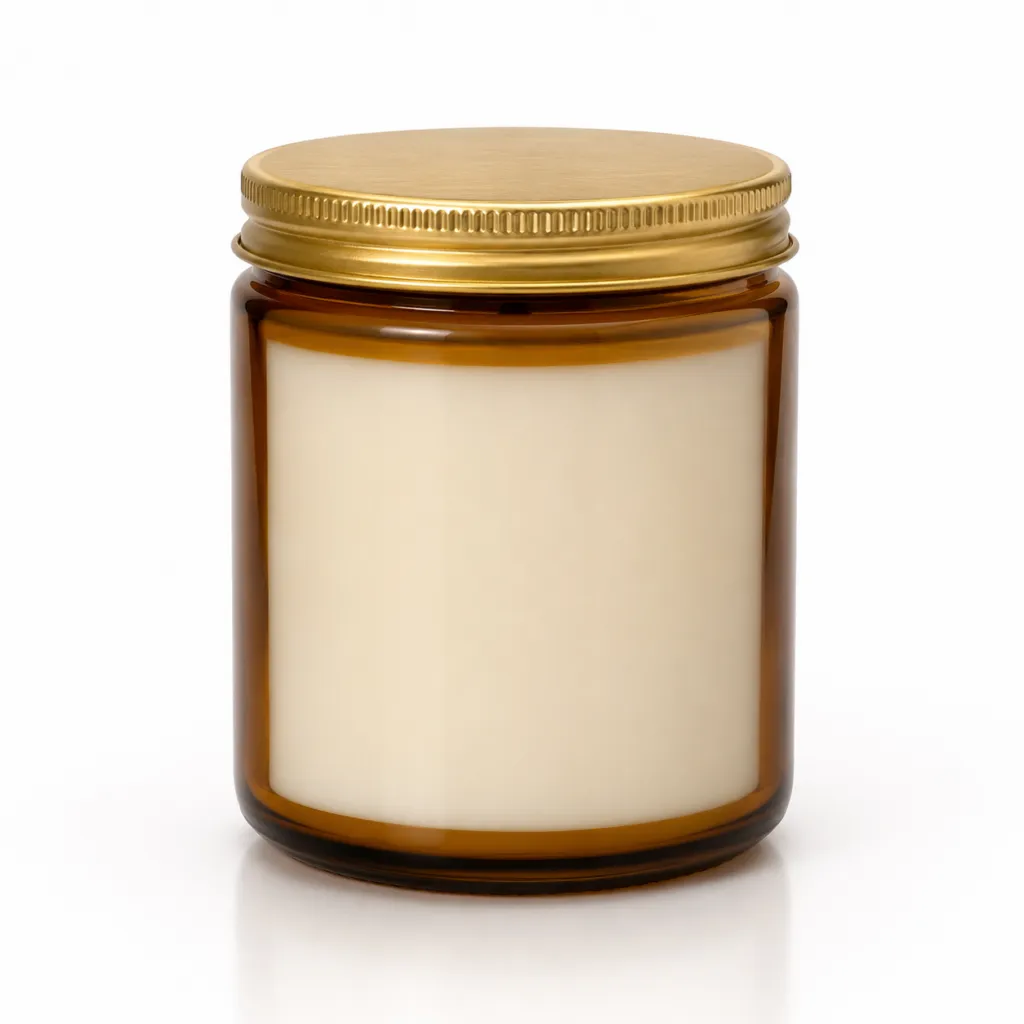
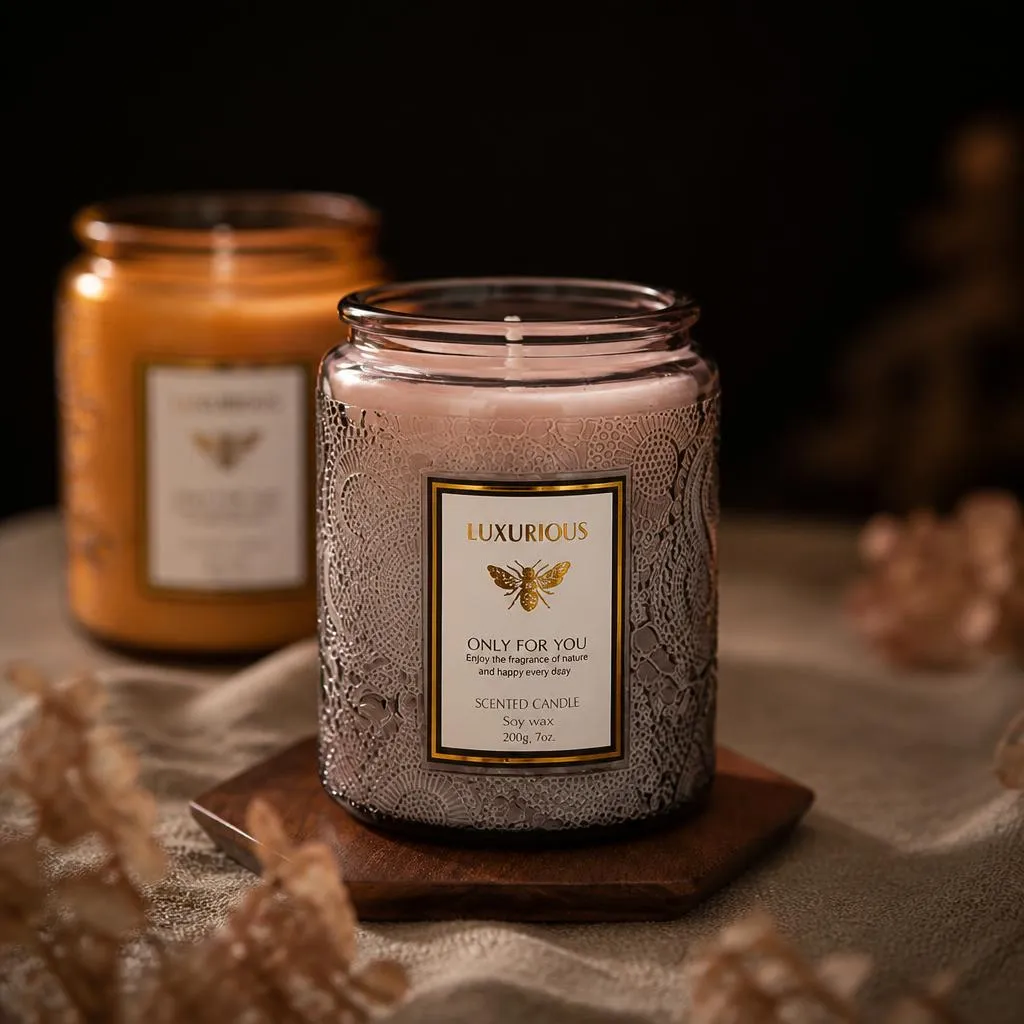
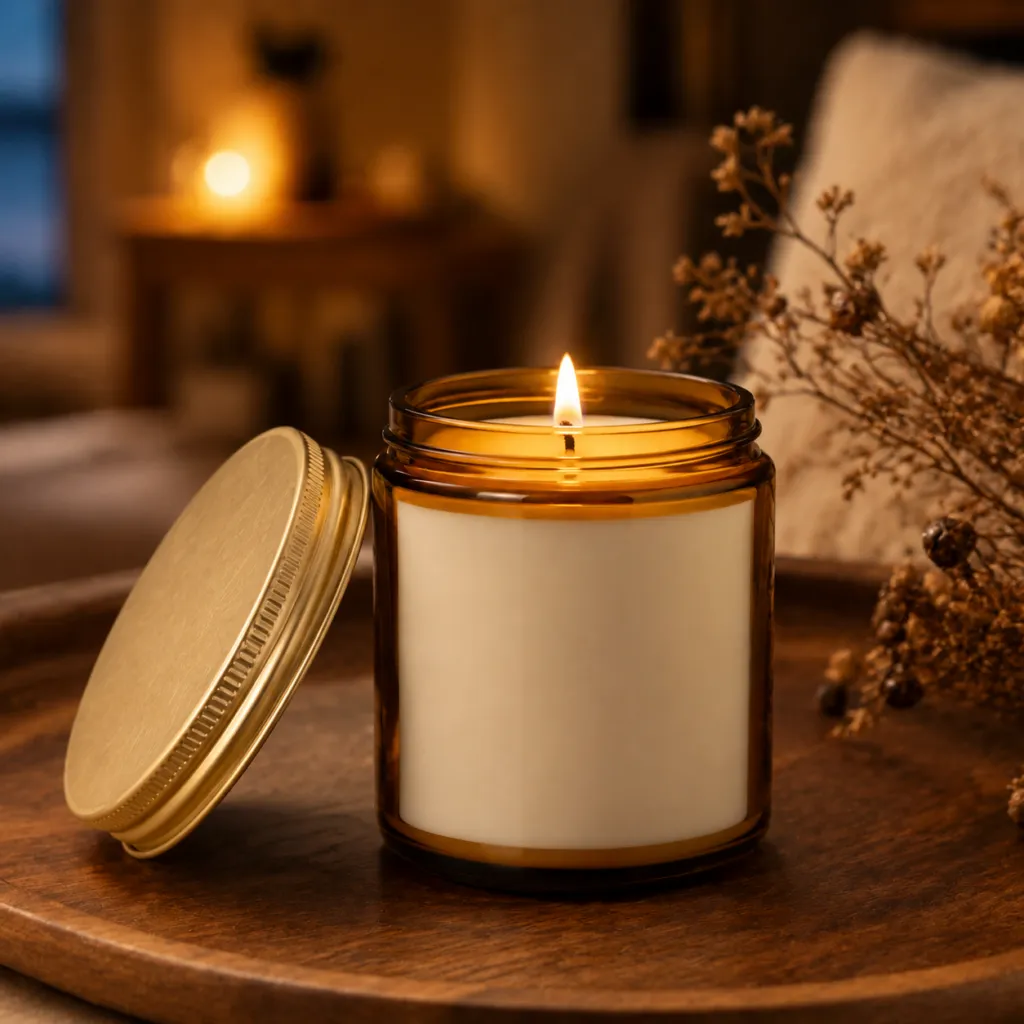
The same discipline governs what we say about our own goods. BeginLighting pours soy wax scented candles in amber glass jars at our facility in Foshan, and we can put material facts, vessel specifications and supplier documents in front of a buyer and build to a written specification covering wick type, fragrance direction and label format. We do not market our candles as non-toxic, zero-VOC or certified clean, because that would owe you a file for a claim nobody can close. A supplier offering that language without the file is handing you their risk.
Benchmarking non toxic candle brands without inheriting their claims
Competitive teardowns are useful and routinely misused. When a team studies non toxic candle brands before a launch, the temptation is to copy whatever language appears to convert. Copied language is copied liability, because the substantiation file behind the original stays with the original. If the wording is challenged, the question is what evidence you hold, not what a competitor published.
Benchmark structure instead of sentences. Note which claims a disciplined brand puts in writing, which it avoids, and whether its fragrance language names a document or only an outcome. Careful operators rarely leave an unqualified non-toxic statement standing alone. They qualify it: phthalate-free fragrance, lead-free cotton wick, no added dyes, tested to the ASTM fire-safety standard. Those qualifications are not timidity, they are the shape of a claim that survives review.
Where a warmer lamp changes the risk profile
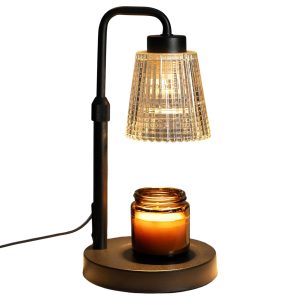
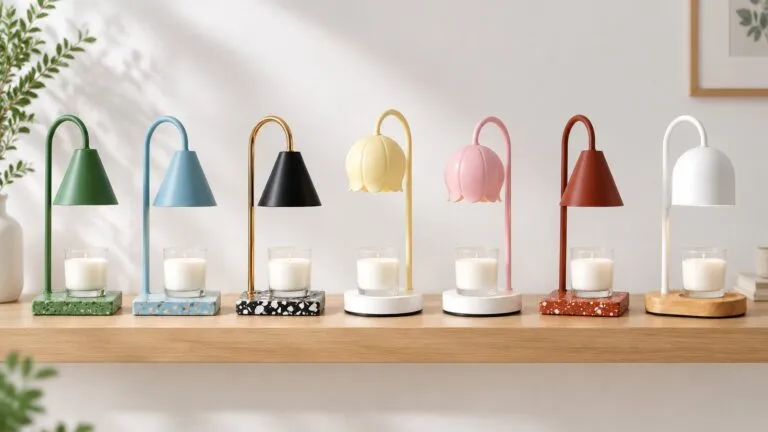
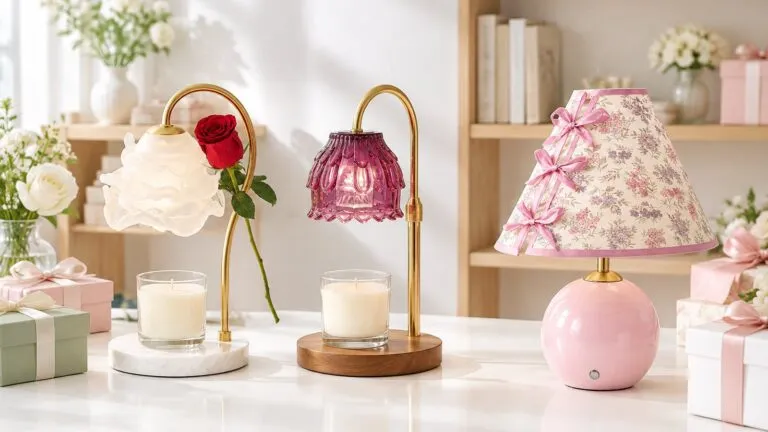
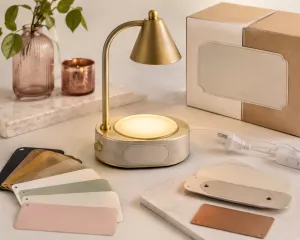
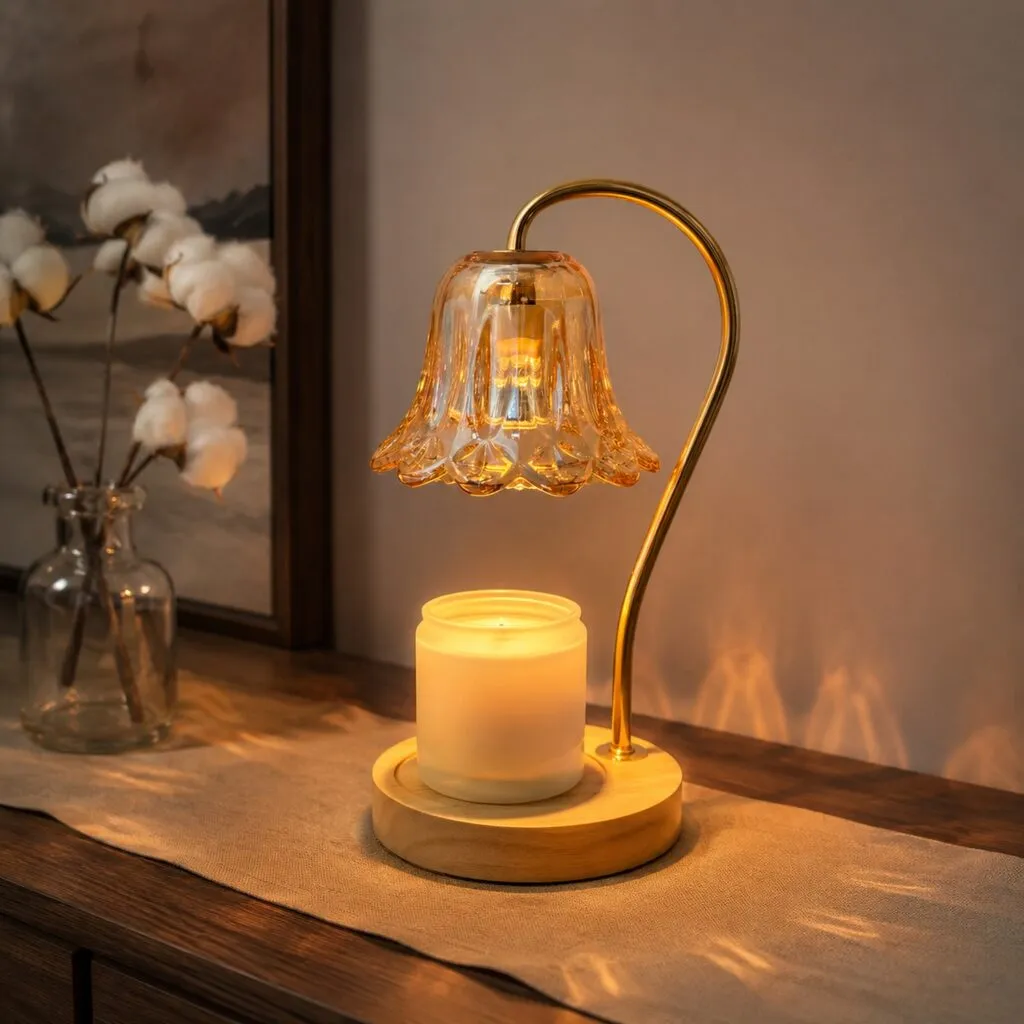
There is a structural reason wax and warmers keep landing in the same assortment review. A candle warmer lamp melts wax with a heat bulb from above, so there is no flame, no wick, and therefore no wick combustion or wick-generated soot. The fragrance still releases, so the fragrance dossier above applies in full: a warmer changes the combustion question rather than removing every question. What it does remove is the open-flame objection, which is why warmers clear hotel, rental and office accounts where candles are banned outright.
BeginLighting makes both halves of that pairing on one floor, which matters mainly for documentation. The candle warmer lamps and the wax side, including our amber jar soy wax scented candle and the consumables under candle warmer accessories, come from one supplier file instead of two vendors pointing at each other when a compliance question lands.
Turn this checklist into a quotation request
The fastest way to test a supplier is to send the four-dossier request and time the reply. Send it to us as well. Tell us the wax format, fragrance direction, vessel and label standard you need, list the documents your compliance team requires, and we will say which we can provide and which we cannot before you commit to tooling. Wax and lamps quote together through the wholesale candle warmer program.
Frequently asked questions
Is there a legal definition of non toxic candles in the United States?
No. No federal standard exists that a candle passes to be labeled non-toxic. What exists is a substantiation duty: under 16 CFR 260.10 it is deceptive to misrepresent that a product is non-toxic, and the claim is read as covering people and the environment. The obligation sits with the brand on the label.
What separates the best non toxic candles on a supplier specification sheet?
Document depth rather than adjectives. On paper, the best non toxic candles arrive with a named wax grade and Safety Data Sheet, a wick series sized to that vessel, a fragrance-house phthalate declaration plus an IFRA Certificate of Conformity in Category 12, and a current ASTM F2417 report referencing a production lot.
How do suppliers actually prove phthalate free candles?
By passing through fragrance-house documents instead of writing their own. The defensible package is a declaration from the fragrance formulator covering the exact oil reference in your SKU, that oil’s Safety Data Sheet, and a Certificate of Conformity to the IFRA Standards. IFRA issues no certificates itself, so the formulator’s name matters.
Are soy candles automatically clean burning candles?
No, and assuming so is a common sourcing error. Wax type affects appearance and melt behavior, but sooting, tunnelling and mushrooming are driven mainly by wick selection relative to vessel diameter, fragrance and dye load, pour temperature and cure time. Ask for the burn log, not the wax marketing sheet.
Should we audit non toxic candle brands before writing listing copy?
Audit them for claim structure, never for copy. Studying how established non toxic candle brands qualify their statements shows which claims the category treats as defensible and which careful players avoid. Then write against your own file, because in a challenge the question is what evidence you hold.
Sources
- Cornell Legal Information Institute — “16 CFR 260.10 Non-toxic claims”. https://www.law.cornell.edu/cfr/text/16/260.10 (retrieved 2026-08-24)
- Cornell Legal Information Institute — “16 CFR 1500.17 Banned hazardous substances”. https://www.law.cornell.edu/cfr/text/16/1500.17 (retrieved 2026-08-24)
- Cornell Legal Information Institute — “16 CFR 1307.3 Specified phthalates”. https://www.law.cornell.edu/cfr/text/16/1307.3 (retrieved 2026-08-24)
- Cornell Legal Information Institute — “16 CFR 1303.1 Lead in surface coatings”. https://www.law.cornell.edu/cfr/text/16/1303.1 (retrieved 2026-08-24)
- Cornell Legal Information Institute — “15 USC 1278a Products containing lead”. https://www.law.cornell.edu/uscode/text/15/1278a (retrieved 2026-08-24)
- National Candle Association — “Understanding Safety Standards”. https://candles.org/understanding-safety-standards/ (retrieved 2026-08-24)
- International Fragrance Association — “IFRA Standards”. https://ifrafragrance.org/initiatives-positions/safe-use-fragrance-science/ifra-standards (retrieved 2026-08-24)
- California Office of Environmental Health Hazard Assessment — “Proposition 65 List”. https://oehha.ca.gov/proposition-65/proposition-65-list (retrieved 2026-08-24)
- U.S. Environmental Protection Agency — “Candles and Incense as Potential Sources of Indoor Air Pollution, EPA/600/R-01/001”. https://cfpub.epa.gov/si/si_public_record_report.cfm?dirEntryId=20899 (retrieved 2026-08-24)
- U.S. Environmental Protection Agency — “Improving Indoor Air Quality”. https://www.epa.gov/indoor-air-quality-iaq/improving-indoor-air-quality (retrieved 2026-08-24)
