


Key takeaways
Private label products for small business means putting your own brand on goods a manufacturer makes for you, and right now it is one of the strongest moves a small retailer can make: own-label lines are taking record share from national brands. The work is picking the right partner model, the right category, and getting a sample you would put your name on.
- US store-brand sales hit a record $282.8 billion in 2025, growing dollar sales more than twice as fast as national brands (PLMA / Circana).
- Store brands now hold 21.3% of dollars and a record 23.5% of units sold, up from 19.1% and 21.6% five years earlier (PLMA / Circana).
- Shoppers stopped treating own-label as second best: 68% see private labels as good alternatives to name brands and 69% as good value (NIQ).
- “Private label” is a spectrum, from white-label rebadging to full OEM builds and ODM design; the model you pick sets your cost, control and minimum order.
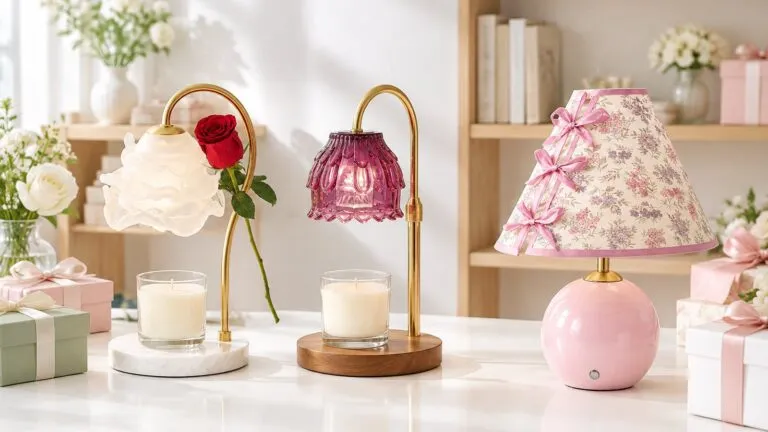
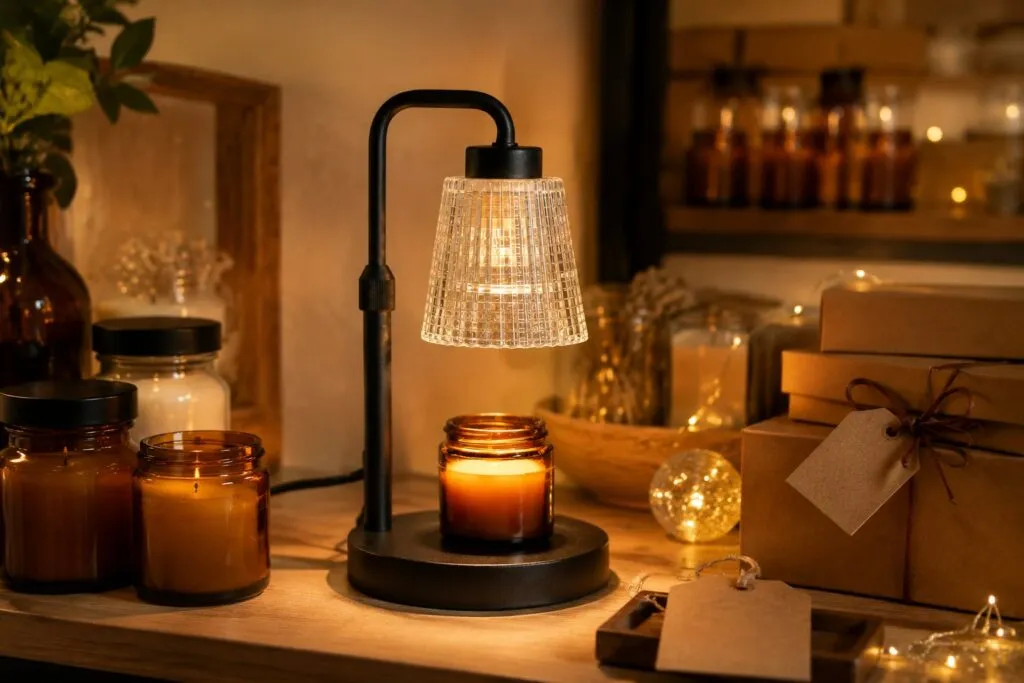
- Start where demand and margin overlap: giftable, sensory home goods like candles, warmers and decorative lighting are proven first categories.
01What does private label mean for a small business?
Private label products for small business are goods a third-party manufacturer makes to your specification and packages under your own brand, rather than the maker’s. You own the label, the look and the customer relationship; the factory owns the production line. That single arrangement is how a boutique, a candle studio or an online seller stops being a reseller of other people’s brands and becomes a brand of its own.
The pull is not only margin, though the margin is real once you cut out a layer of middlemen. Own-brand goods let a small business build something a competitor cannot buy off the same shelf and put a name on the repeat purchase. McKinsey’s retail analysts make the same point from the retailer side: the sharpest operators now use private brands to differentiate and build loyalty, not merely to shave cost (McKinsey, A turning point for private brands, retrieved 2026-07-19). For a small business the logic is identical, only the scale is smaller.
It helps to be clear about what private label is not. It is not dropshipping someone else’s catalogue, and it is not buying wholesale to resell a national brand at a markup. In both of those you are renting someone else’s brand equity. Private label is the opposite trade: you invest a little more up front, in a specification, samples and a first order, and in return you keep the brand, the pricing power and the customer.
02Why are private label products worth it for a small business right now?
Because the whole market is moving your way, and the numbers are not subtle. In 2025, US sales of store brands reached a record $282.8 billion, up more than $9 billion in a single year, according to the Private Label Manufacturers Association’s reading of Circana Unify+ data (PLMA, retrieved 2026-07-19). More telling for a small brand than the total is the direction of travel: store-brand dollar sales grew 3.3% over the year, nearly three times the 1.2% national brands managed.
Share is climbing with it. Over the five years to 2025, private label’s slice of US dollar sales rose from 19.1% to 21.3%, and its unit share reached a record 23.5%, up from 21.6% (PLMA, retrieved 2026-07-19). In plain terms, close to one in every four items now leaving US shelves is somebody’s own brand rather than a national name. That is the tailwind a first-time private-label seller is stepping into.
Source: PLMA, U.S. Private Label Industry Reached $282.8 Billion in Sales in 2025, drawing on Circana Unify+ data (retrieved 2026-07-19).
The reason underneath the numbers is that shoppers stopped apologising for buying own-label. In a survey of more than 17,000 consumers across 25 countries run between December 2024 and January 2025, NIQ found 68% see private labels as good alternatives to name brands and 69% call them good value, and 53% said they are buying more of them than before (NIQ, Finding Harmony on the Shelf, retrieved 2026-07-19). For a small business, that shift is permission to compete on your own name instead of borrowing someone else’s.
None of this makes a private label line free money, and it would be dishonest to pretend otherwise. The same shift has national brands fighting harder on price, and a first order sunk into an unsellable product hurts a small balance sheet far more than it dents a national retailer’s. The opportunity is real, but it rewards a tight specification and a sample you have actually held, not a hopeful bulk buy. The rest of this primer is about lowering that risk.
03Private label, white label, OEM and ODM, sorted out
These four terms describe the same basic idea, your brand on someone else’s production, at four different levels of control and cost. Getting them straight matters because the label you choose decides your unit price, how much you can change, and how large a first order the factory will accept. Most confusion in early sourcing conversations comes from a buyer and a supplier using these words to mean different things.
White label sits at the low-control, low-cost end: the factory already makes a generic product for many buyers, and you add your branding to a stock design. Private label is a step up, a product made or adjusted to your specification and sold as yours. OEM, original equipment manufacturer, means you bring the design or drawings and the factory builds to them. ODM, original design manufacturer, flips that: the factory owns a ready design that you customise, restyle and rebrand. For most small businesses the first line is white-label or ODM, because the minimums and setup costs are lower, with OEM reserved for when a proven design earns its own tooling.
| Model | What you bring | Best when | Watch for |
|---|---|---|---|
| White label | Just your branding on a stock design | You want to launch fast and cheap and test a market | The same product may sell under other brands too |
| Private label | A specification: materials, finish, packaging | You want a product that is recognisably yours | Setup and sampling cost more than white label |
| ODM | Customisation of the factory’s own design | You lack a design but want more than a stock item | Confirm how exclusive the customised version is |
| OEM | Your own design or drawings | You have a proven design and enough volume | Tooling and moulds raise the first-order cost |
OEM (you design)
- Full control over how the product looks and works
- A design a competitor cannot copy off the shelf
- Best margin at real volume
- Tooling and mould costs up front
- Needs a finished, buildable specification
ODM (factory designs)
- Launch without an in-house design
- Lower setup cost and minimum order
- Faster from first contact to shelf
- The base design may exist under other brands
- Less control over core function
04How do you launch a private label product line?
Launching a private label line is a four-step routine you run in order: pin down the specification, choose the partner model and vet the factory, sample and check compliance, then order, brand and reorder. Each step is cheap next to the one it protects, and skipping the middle two is where most first orders go wrong. You are not just buying a product; you are buying a supplier you can go back to.
The vetting step deserves the most care because it is where a good idea meets a real factory. Confirm the supplier legally before money moves: every registered Chinese company has an 18-digit Unified Social Credit Code on its licence, and you can enter that code into the government’s National Enterprise Credit Information Publicity System to check the company exists, its legal name and its registered business scope (gsxt.gov.cn, State Administration for Market Regulation, retrieved 2026-07-19; China Checkup, retrieved 2026-07-19). From there, ask for the third-party test reports your destination market requires for your product type, and pay for real samples before you commit. If you would rather not source cold, a companion guide on how to find wholesale vendors walks through the channels.
Branding is the step small businesses most often underrate. On a giftable product the box, the insert card and the scent or finish are the product as far as the customer is concerned, so treat packaging as part of the specification, not an afterthought bought later. Then close the loop: agree a reorder cadence with the supplier so a product that sells does not go out of stock while you start the whole conversation again.
05What do private label products cost, and what are the minimums?
There is no single price or minimum, and any supplier who quotes one before seeing your specification is guessing. Your real cost is the unit price plus four things buyers routinely forget: paid samples, your own packaging, freight and duty, and tooling if the design is custom. A white-label item carries almost none of the setup cost; a custom-moulded OEM design carries all of it. The honest way to compare quotes is to add those line items to each one, not to rank suppliers by unit price alone.
Minimum order quantities work the same way: they are set per factory and per product, and they rise with how custom you go. A stocked white-label product can have a modest minimum, while a private-label or OEM design that needs its own mould or print run demands more, to cover the setup. Rather than treat any single number as gospel, ask each supplier for its minimum on your exact product, and ask the more useful question underneath it: will you run a smaller trial batch first? A supplier willing to do a short run is one that expects you to come back.
06Building a private label lighting line with BeginLighting
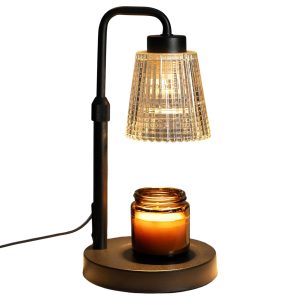
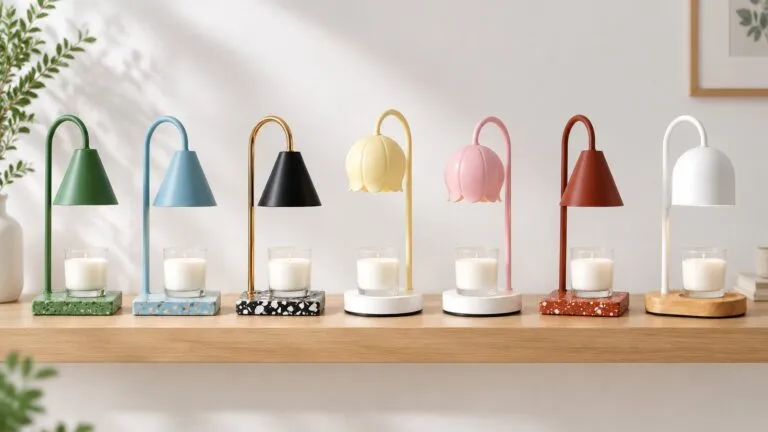
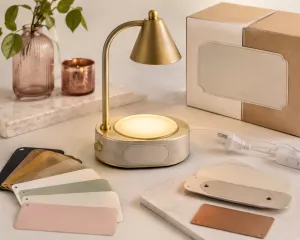
BeginLighting works this from the manufacturing side. We build our own candle-warmer lamp range on our own line in Foshan, Guangdong, and we can private-label that range for your brand, from the glass shade and base finish through to your printed packaging. It is one of the best-selling candle-warmer lamp lines in its category, and a private-label order runs on the same line and the same checks as the units we sell under our own name. For this line, the factory narrative above is simply us.
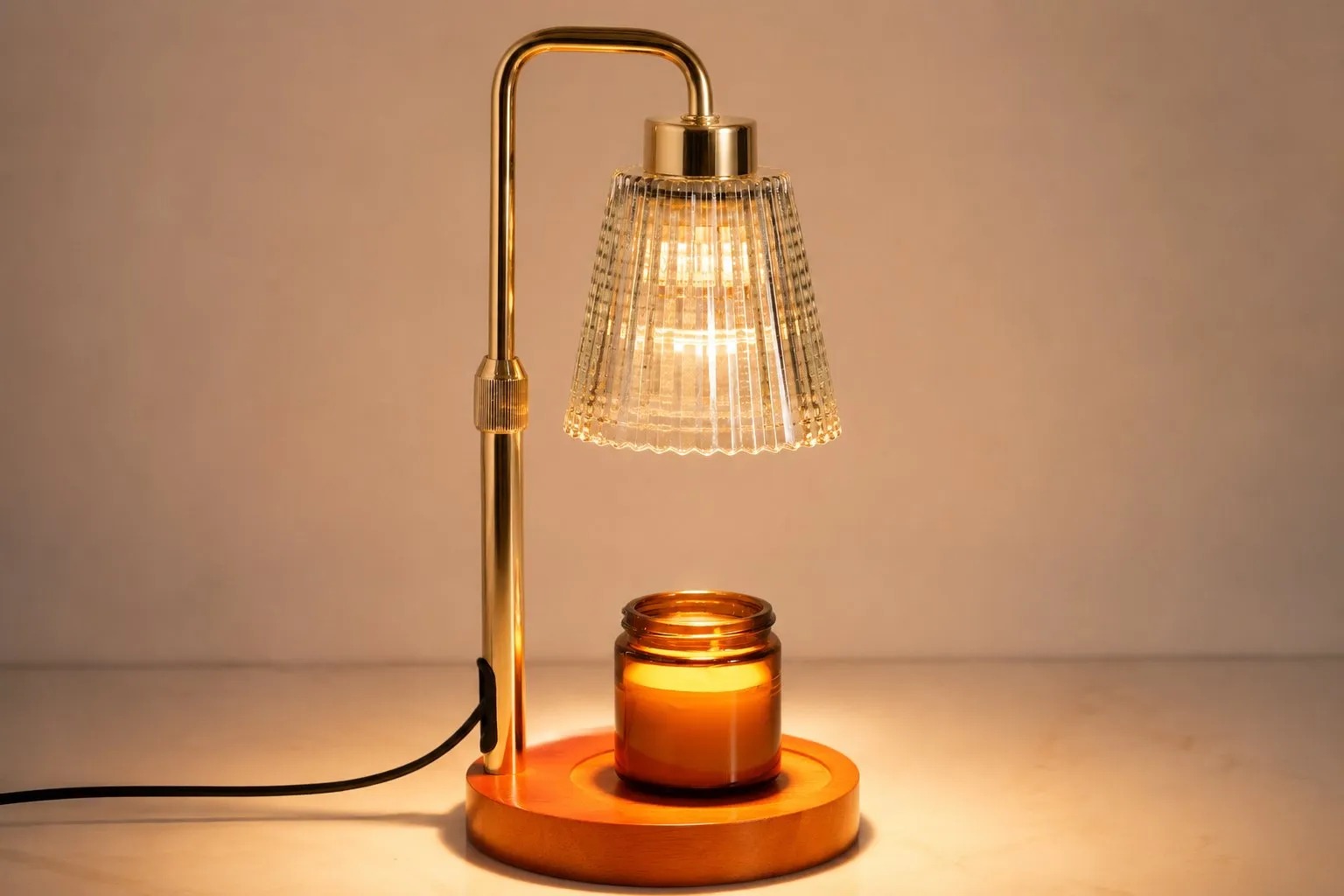
For the wider catalogue, decorative and giftable lighting, LED and accessories, runs on the same Foshan floor, so the same is true there: we are your OEM and ODM maker, not a go-between. You can run the same licence, sample and compliance checks laid out above on us, and you get one relationship that carries several product types under one factory.
If you are mapping a first line, you can browse our wholesale lighting range to see the categories we cover, read how our OEM and ODM programs handle branding and specification, or see what sells through in our guide to best-selling gift shop items. When you know roughly what you want, the fastest next step is a quote against a real specification, not a round number.
Planning a private label line?
Tell us the product, the quantities and the market you have in mind. We will quote it off our own Foshan lines, against a clear specification rather than a lump sum.
FAQ
What is the difference between private label and white label products?
White label products are generic items a factory already makes for many buyers; you simply add your own label to a stock design. Private label products are made or tuned to your own specification and sold under your brand, often with changes to materials, finish or packaging that make them yours. White label is faster and cheaper to launch, while private label gives you more control and a product a competitor cannot buy off the same shelf.
How much does it cost to start a private label brand?
There is no fixed figure, because your cost is the unit price plus sampling, your own packaging, freight, and any tooling if the design is custom. A white-label or lightly customised line can start small, while a custom-moulded design carries mould and setup costs on top. Ask each supplier to quote your specific product against a clear specification rather than a lump sum, and budget for paid samples before any production run.
What is the minimum order for private label products?
Minimum order quantities are set by each factory and vary with the product, the materials and how custom the order is. A stocked white-label item has a far lower minimum than a private-label or OEM design that needs its own mould or print run. Rather than assume a number, ask each supplier for its minimum on your exact product, and ask whether it will run a smaller trial batch before committing to a full production run.
What are the best private label products for a small business to start with?
Start where steady demand meets healthy margin and a manageable specification. Giftable, sensory home goods travel well here: candles, candle warmers, decorative and accent lighting, and home fragrance sell year-round, lift in the fourth quarter, and photograph well for a small brand. They also allow real differentiation through scent, finish and packaging, so your version does not look like everyone else’s stock item.
Do I need my own designs to create a private label product?
No. If you have a design, an OEM factory can build it to your drawings and specification. If you do not, an ODM factory already owns a design you can customise, rebrand and package as your own, which is how most small businesses launch their first line. You can start with an ODM or white-label product to prove the market, then invest in a custom OEM design once the volume justifies the tooling.
Sources
- Private Label Manufacturers Association (PLMA), U.S. Private Label Industry Reached $282.8 Billion in Sales in 2025, drawing on Circana Unify+ data (record $282.8B, up ~$9B from $273.8B in 2024; store-brand dollar sales +3.3% vs national +1.2%; dollar share 19.1% to 21.3% and unit share 21.6% to a record 23.5% over five years; 52 weeks ending December 28, 2025), retrieved 2026-07-19.
- NIQ (NielsenIQ), Finding Harmony on the Shelf, 2025 Global Outlook on Private Label & Branded Products (68% view private labels as good alternatives to name brands, 69% as good value, 53% buying more; survey of 17,000+ consumers in 25 countries, December 2024 to January 2025), retrieved 2026-07-19.
- McKinsey & Company, A turning point for private brands: how retailers can seize the opportunity (retailers increasingly use private brands to differentiate and build loyalty, not only to improve margins), retrieved 2026-07-19.
- National Enterprise Credit Information Publicity System (gsxt.gov.cn), State Administration for Market Regulation (official registry to verify a Chinese company’s legal name, status and business scope by its Unified Social Credit Code), retrieved 2026-07-19.
- China Checkup, The New 18-Digit Chinese Business Registration Number (every registered company carries an 18-digit Unified Social Credit Code), retrieved 2026-07-19.
BeginLighting manufactures its candle-warmer lamps and its wider decorative, giftable and LED lighting range in Foshan; the market figures above are third-party references gathered from public sources, not claims about BeginLighting’s own production. Product images of the candle-warmer line are made from real product photography of that line; scene images are illustrative.
Which Private Label Products for Small Business Owners Work in Lighting
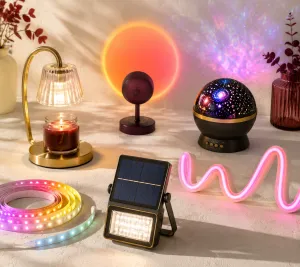
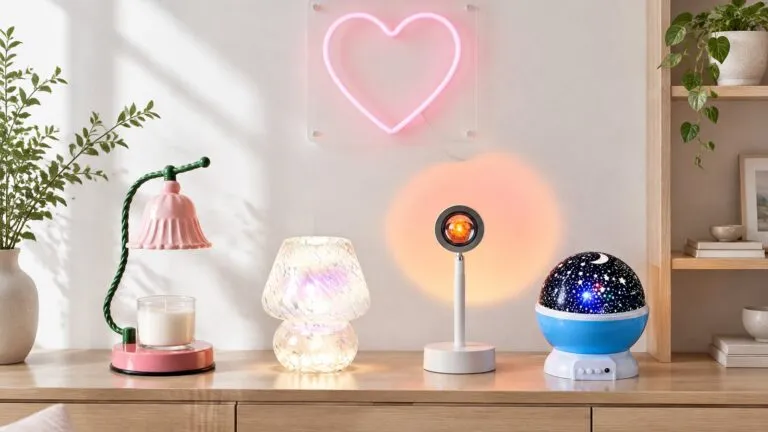
Not every category makes a sensible first own-label product. The workable ones share three traits: a short bill of materials, a shelf-ready gift-box format, and a retail price that still works after freight. In lighting that points to candle warmer lamps, decorative table lamps, sunset projection lamps, star and galaxy projectors, and custom neon signs, all giftable, all easy to photograph, all lifting in the fourth quarter. All of them run on our own floor in Foshan, Guangdong, so a change to finish, shade or packaging goes straight to the people running it, and prototype samples take about 15 days. Start with one line, one finish, one box, then widen once reorder data tells you what actually sells.
Private Labeling a Wax Melt Line: The Sourcing List Underneath It
Ask a room of small home-fragrance brands what they made first and a good share will say wax melts. The format explains the pull: no wick, no electrical parts, a short bill of materials and a gift-shelf price. What it does need is a sourcing list, because a melt line is four separate purchases wearing one brand.
The wax comes first. Guides on how to make wax melts to sell all open there, and the long argument over the best soy wax for melts is really an argument about two different jobs. A blend written for a container candle has to burn evenly around a wick; a melt blend never burns at all, so it is tuned to release scent when something else heats it and to hold its shape in a warm delivery van. If a candle is on the same roadmap, treat soy wax for candle making as its own line item and its own supplier conversation rather than assuming one wax covers both.
Then the part the customer actually picks up. Clamshell packaging for wax melts is the default because one moulded part portions, protects and displays the product at once, and it stacks. Deeper containers for wax melts, tins, pots and small jars, cost more and sit better on a premium shelf, but they add a closure to test and cube geometry to rethink. Wax melts labels are the piece first-timers underrate: they carry the brand, the fragrance name and whatever your destination market requires you to declare, and they have to stay legible against wax residue and warm air, which rules out adhesives that look fine on a dry carton.
Our own production sits at the other end of that shelf: the lamp, not the wax. We build the candle warmer lamp line in Foshan and private-label it with your logo, finish and box, and it is the anchor SKU most melt and candle brands want beside their own product because the two sell each other. Tell us which formats you are planning and we will quote the warmer side against your specification.
“To your specification” only helps once you know which parts are yours to set: what you can actually customize lists the four levers — finish, branding, packaging and electrical — on a product that already sells.
